


HINSDALE TRAVEL SERVICE
Call: (630) 325-1335 or Email:
Call: (630) 325-1335 or Email:


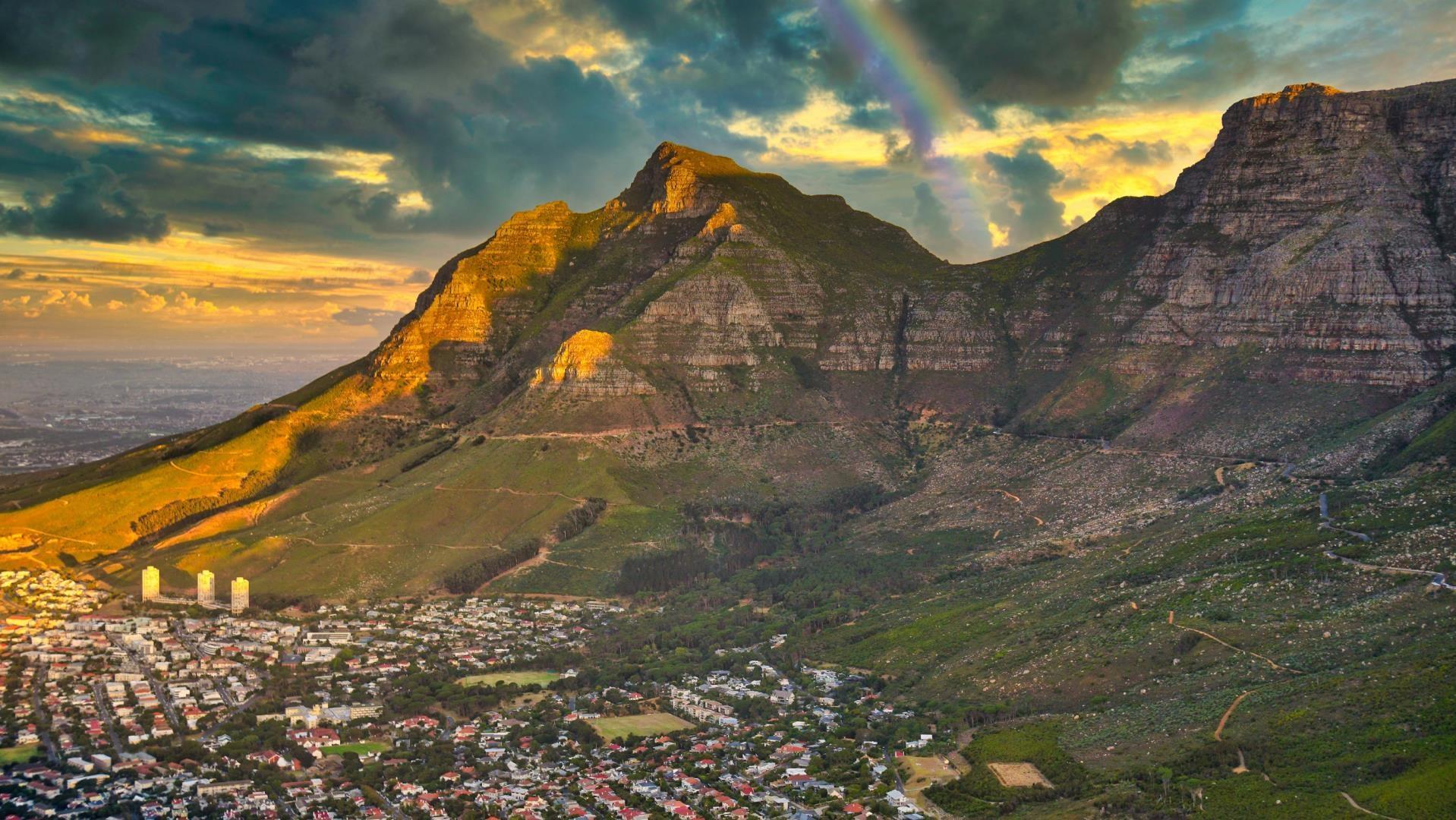

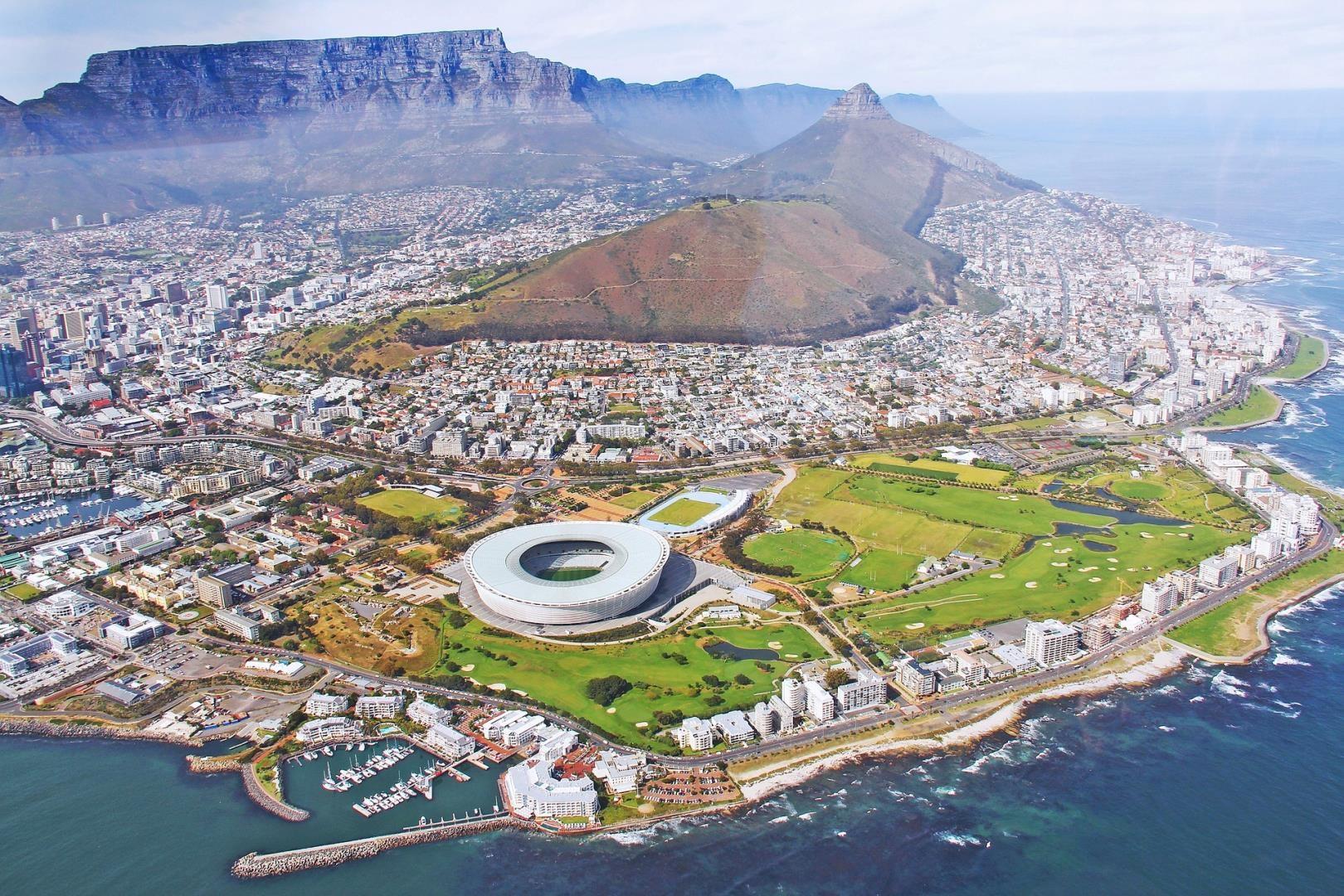

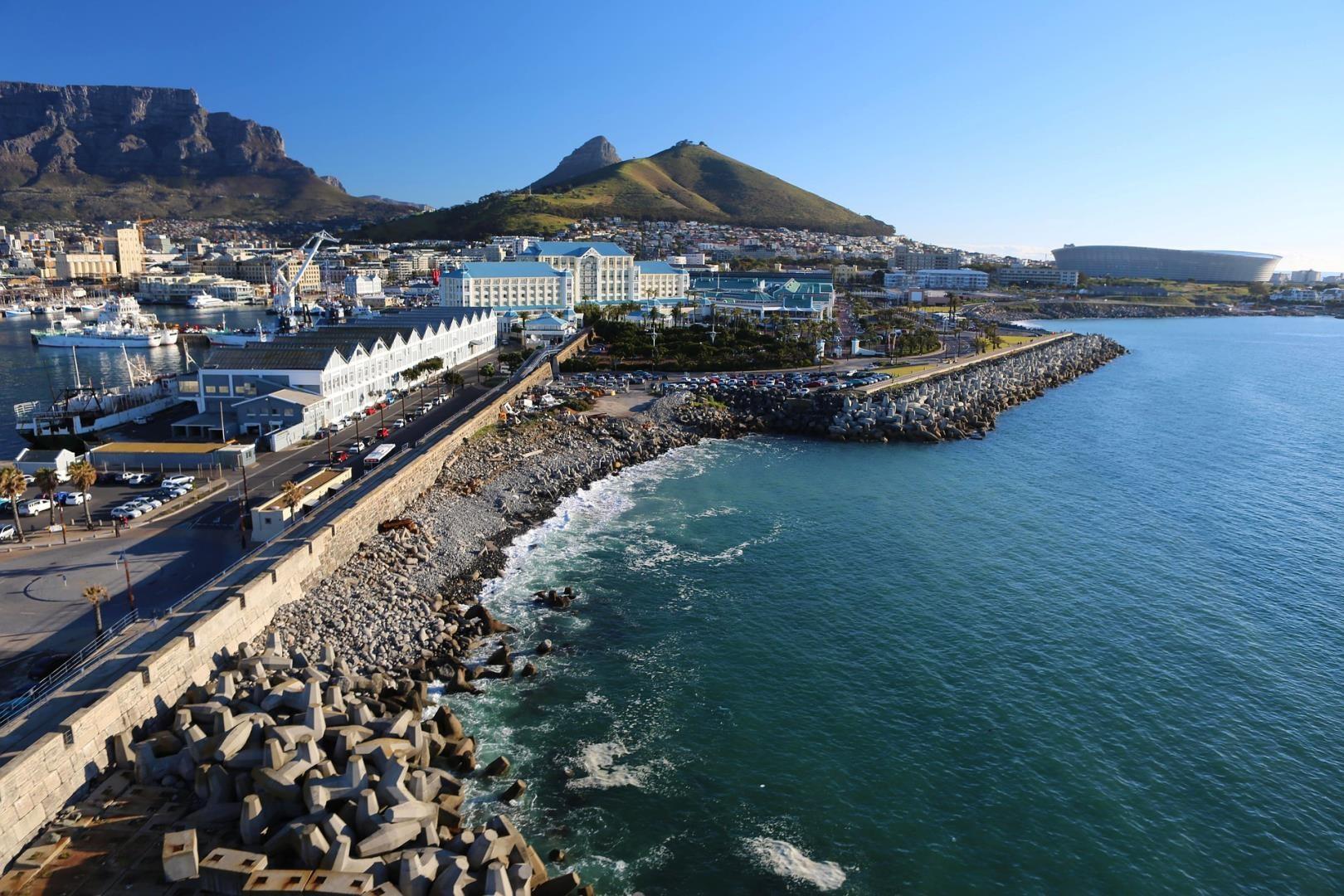



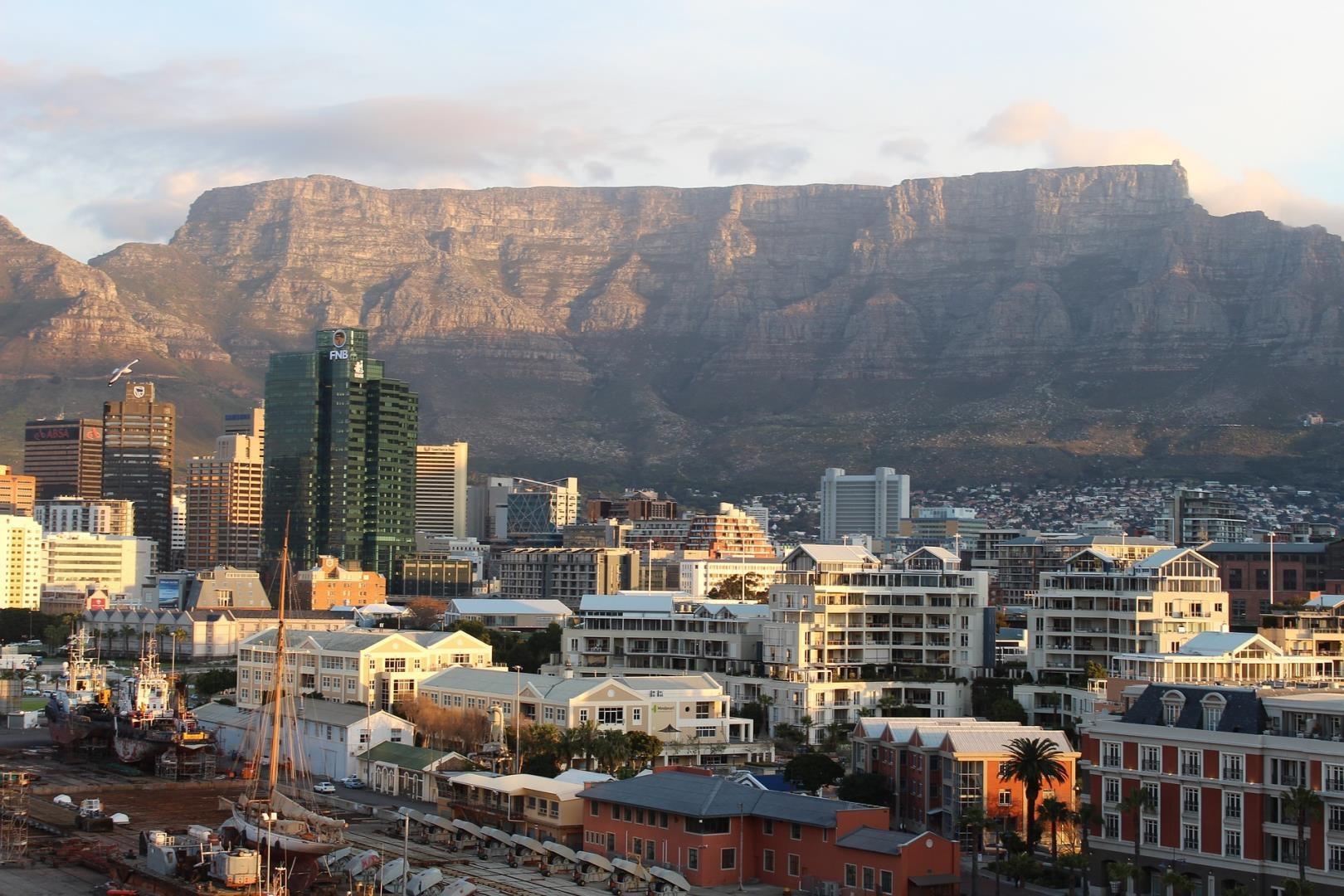

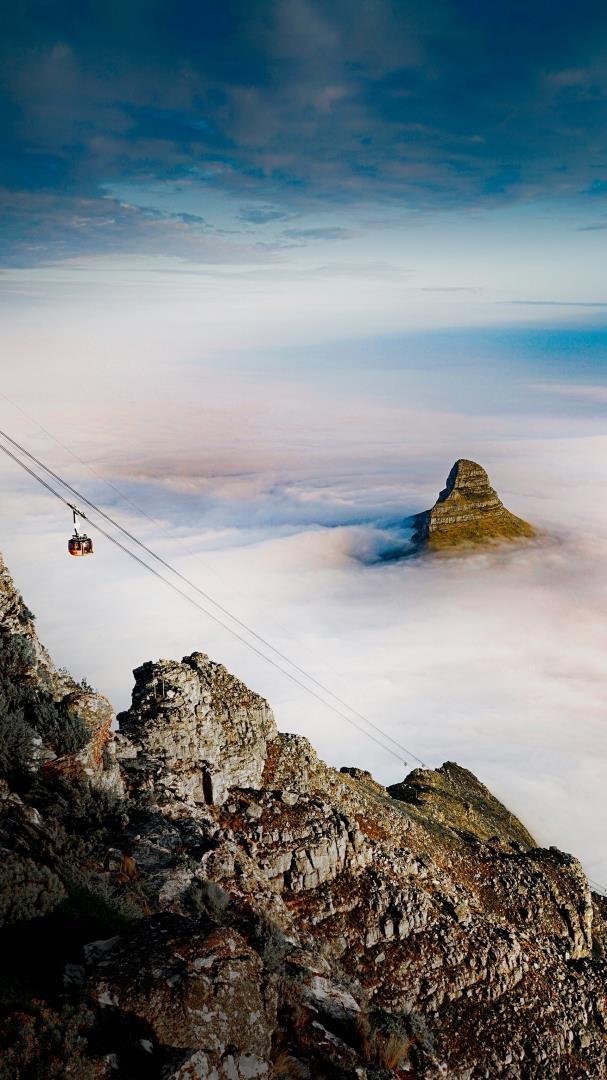



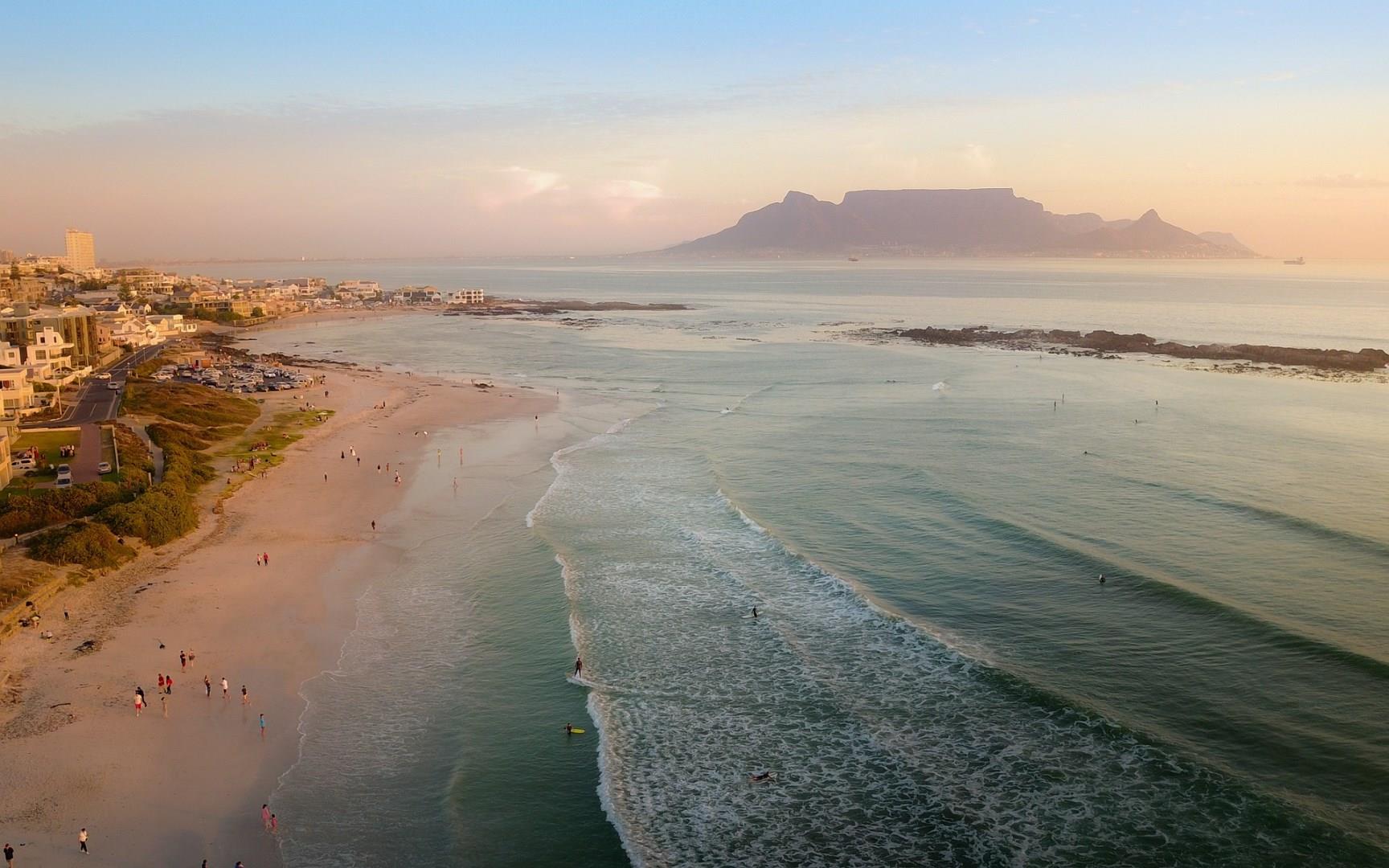

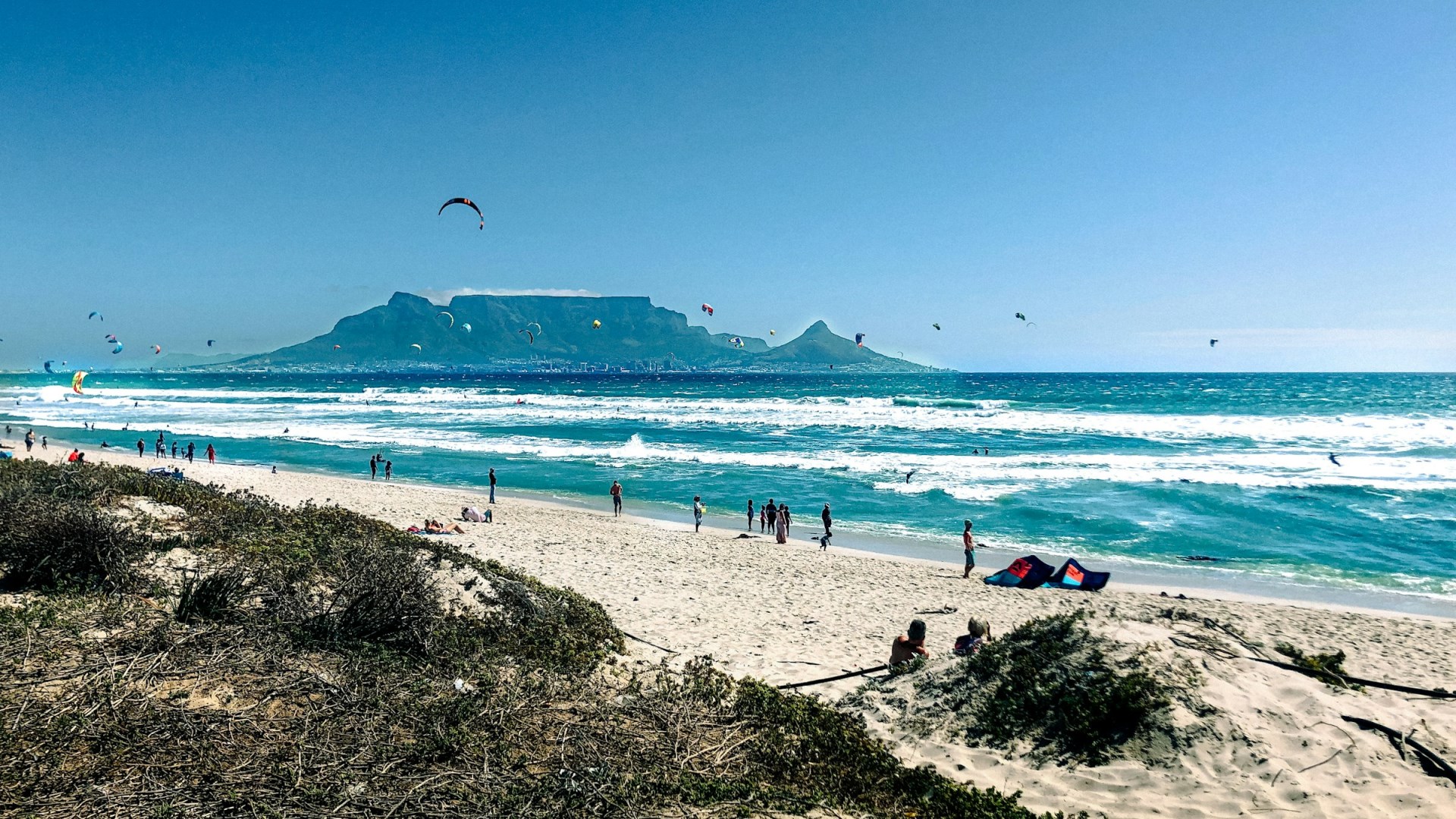
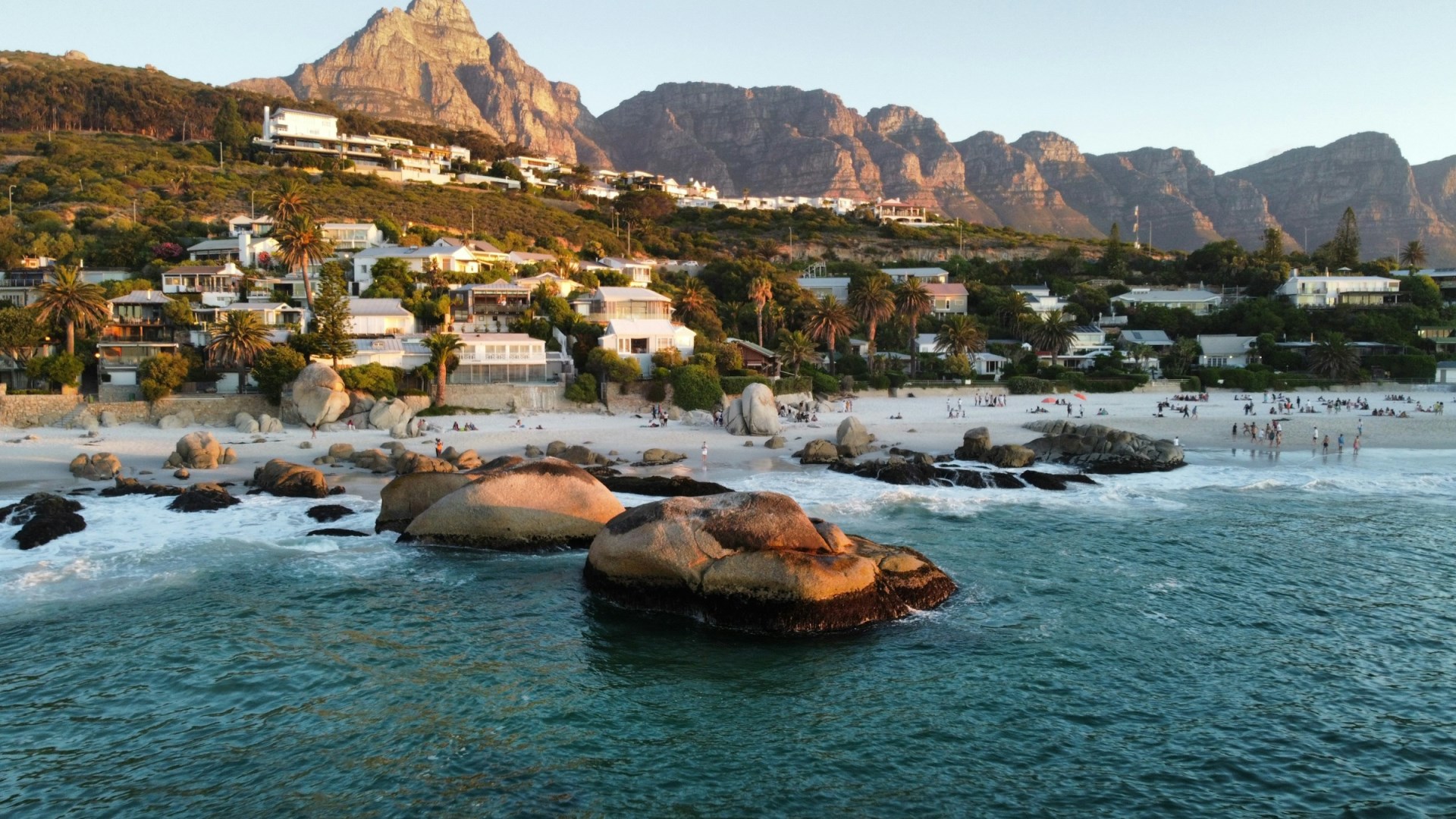

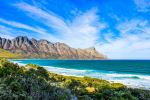
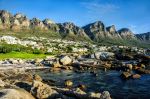
Cape Town, located at the southern tip of South Africa, is one of the world’s most striking coastal cities. Towering over it is Table Mountain, a flat-topped landmark that can be reached by cable car or on foot, offering sweeping views of the city, ocean, and beyond. At the base of the mountain lies a lively cityscape where modern life blends with rich heritage, from historic neighborhoods to bustling markets and vibrant art galleries.
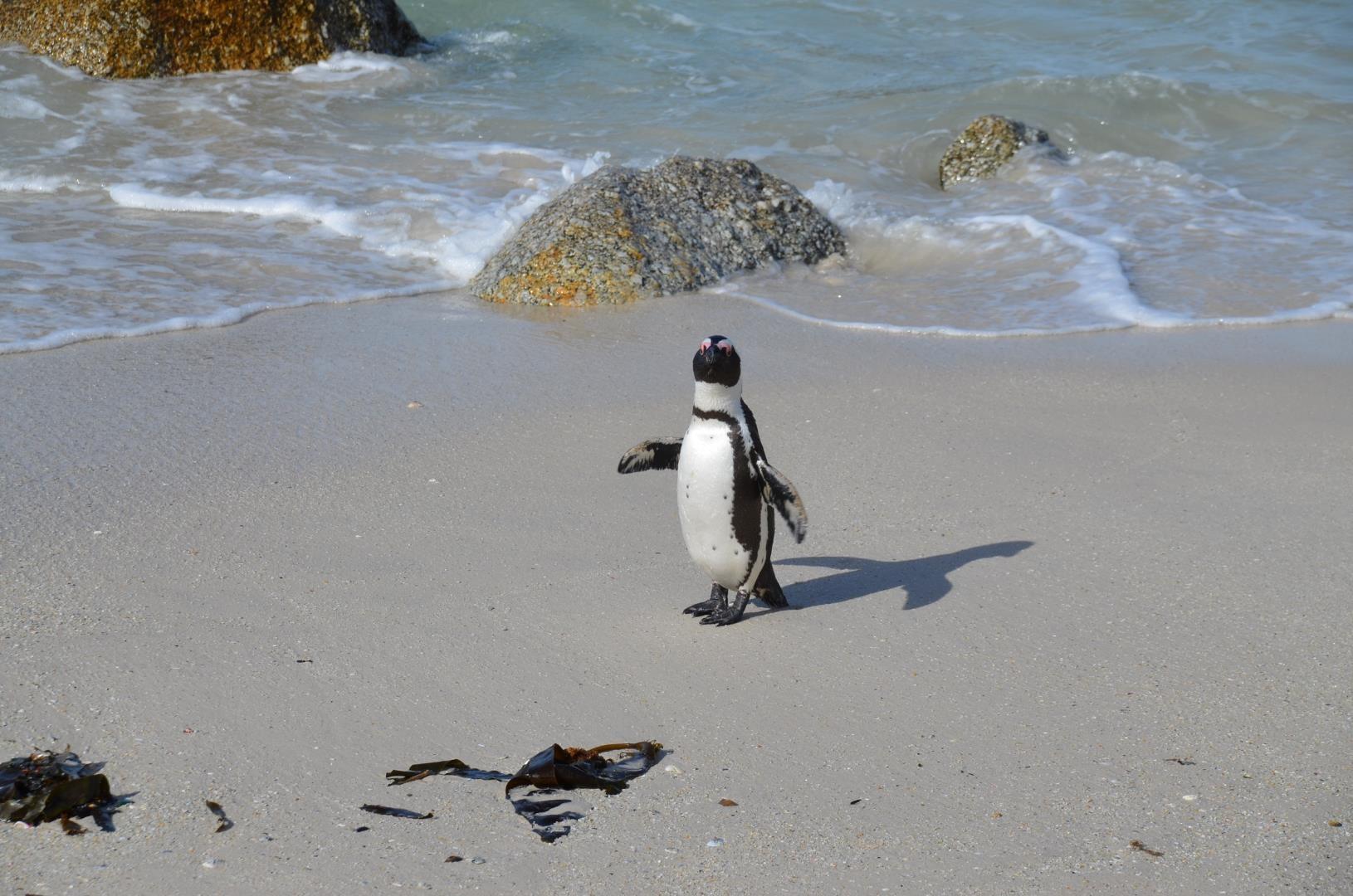
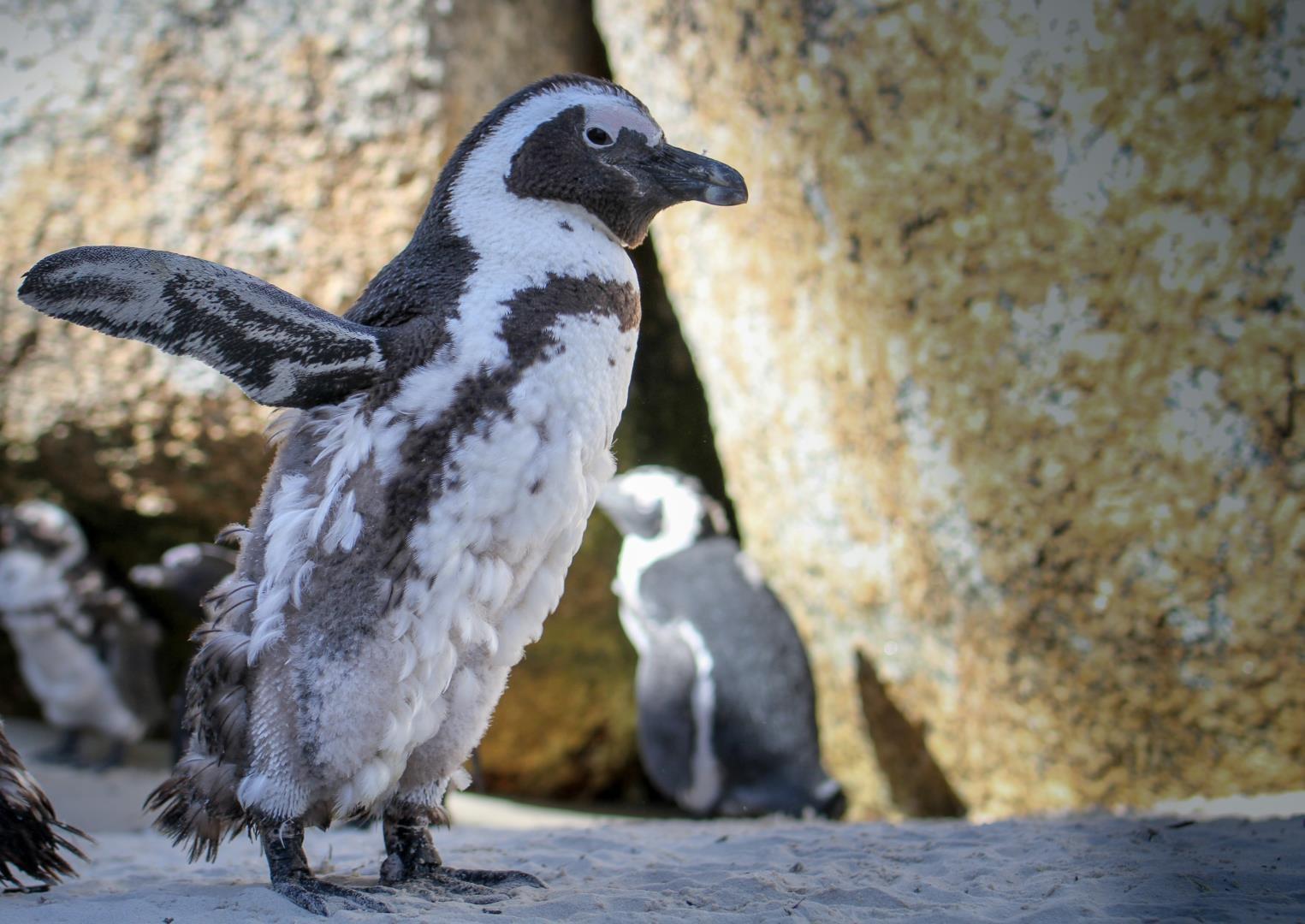
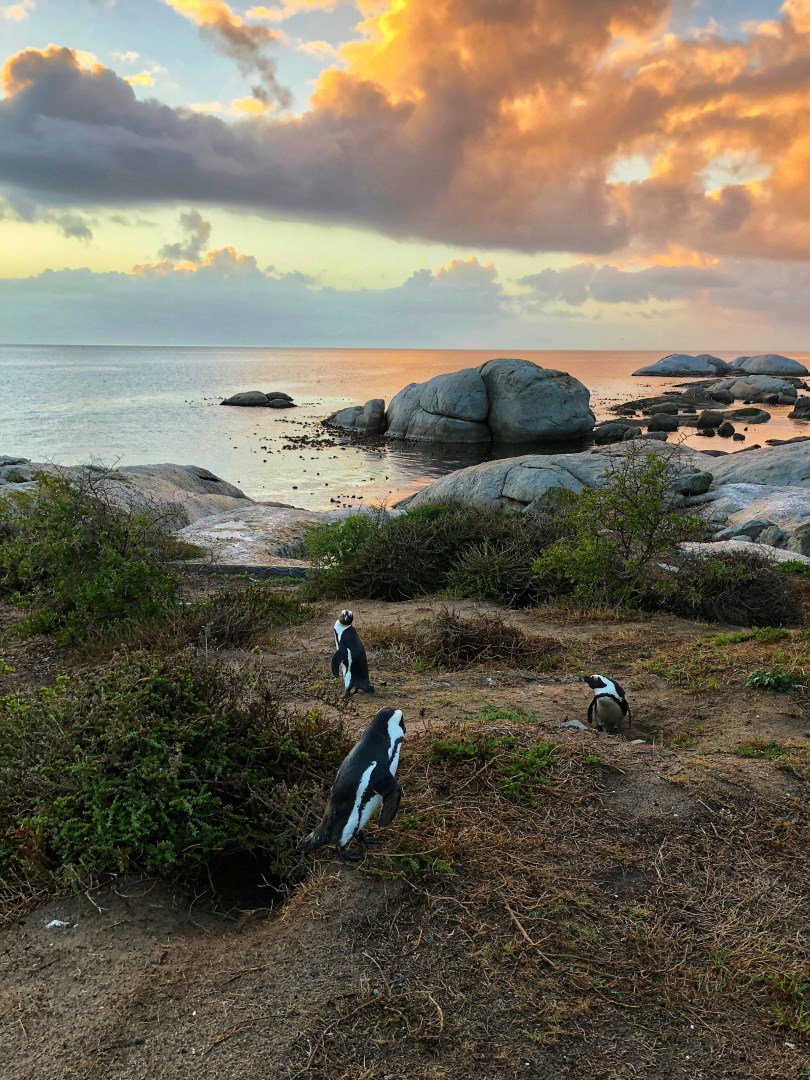
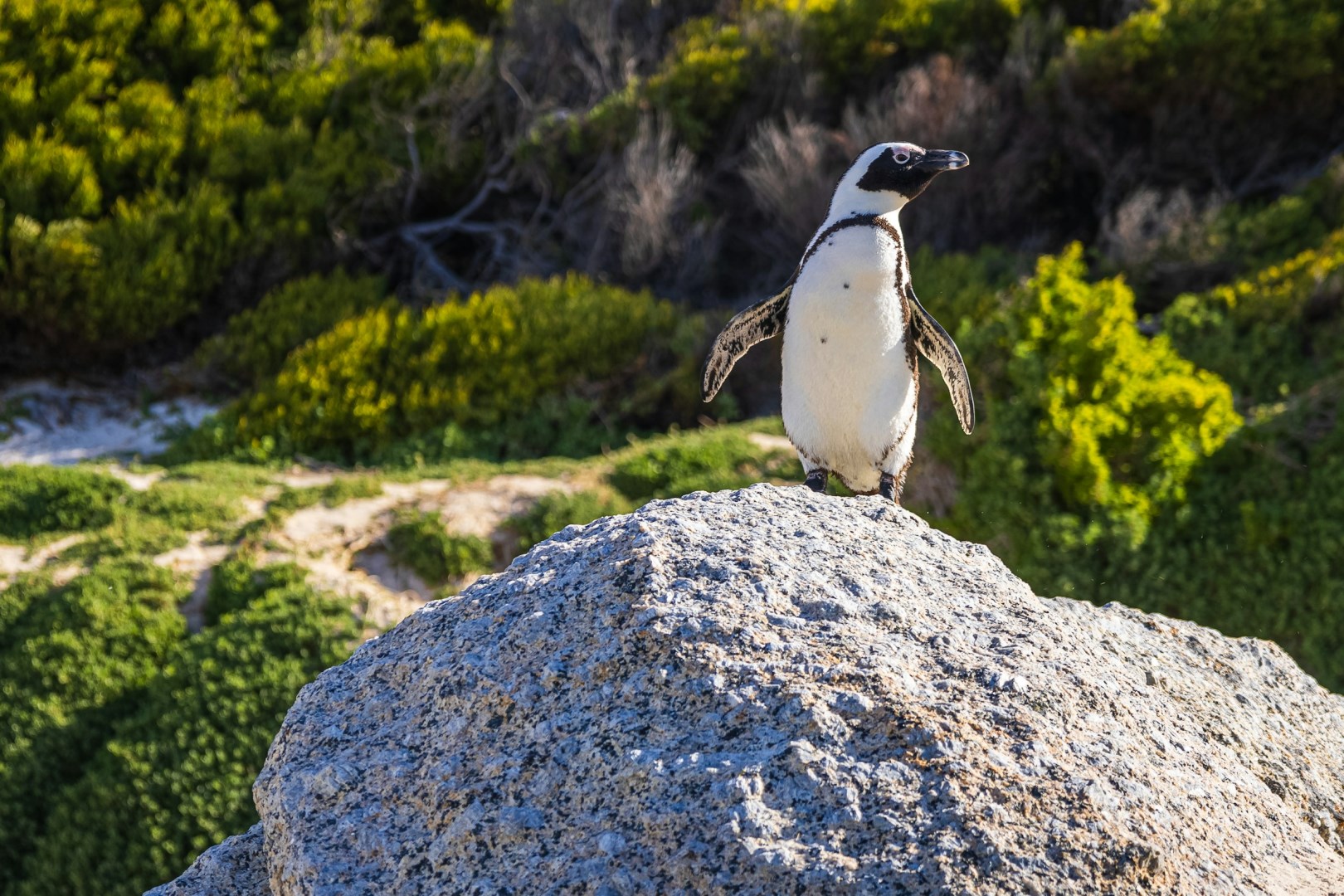
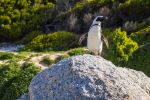
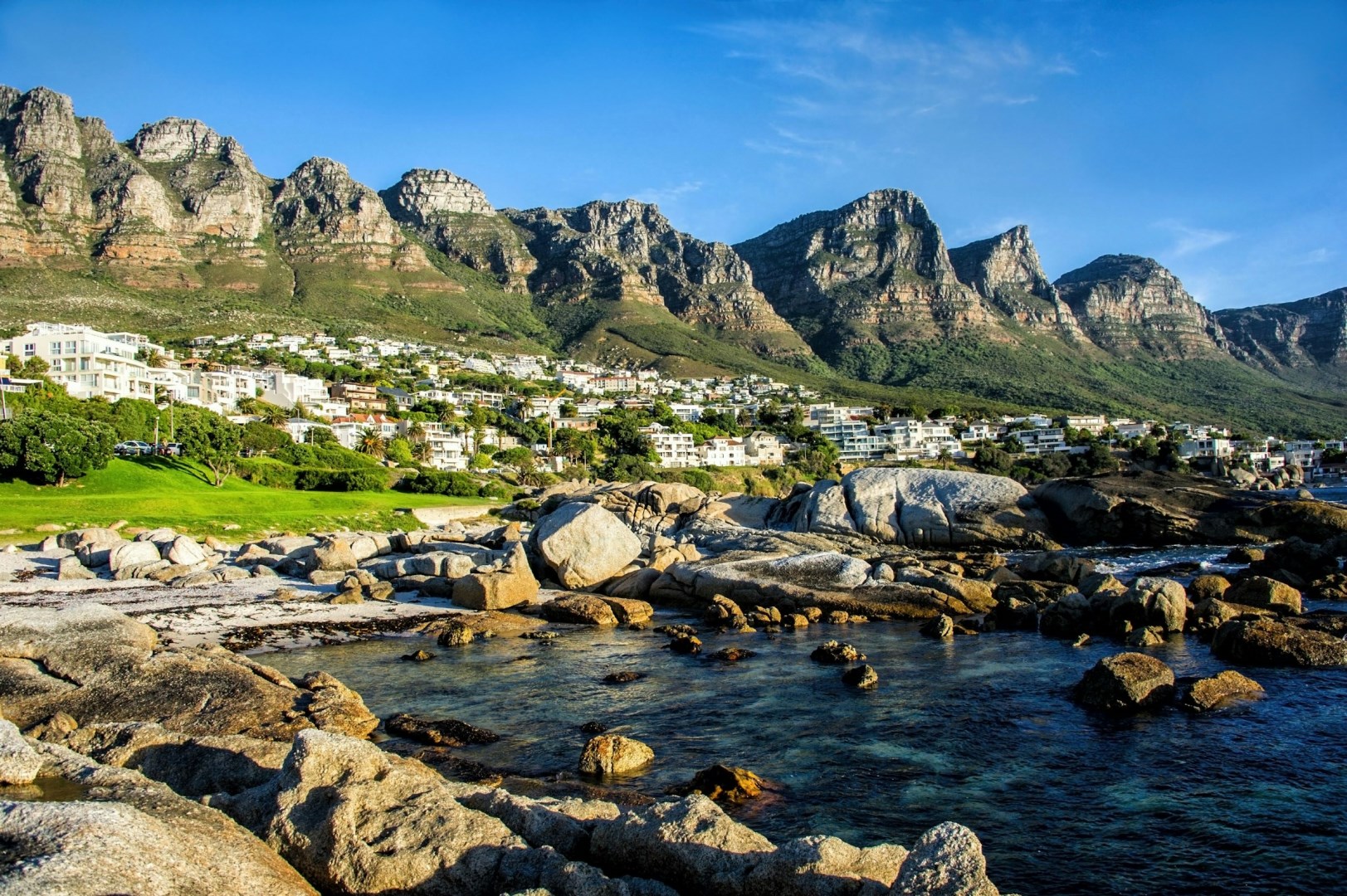
The coastline surrounding Cape Town is just as remarkable. Camps Bay and Clifton Beach draw visitors with golden sands and turquoise waters, while Cape Point, part of Table Mountain National Park, showcases dramatic cliffs where the Atlantic and Indian oceans meet. A short drive away, Boulders Beach is home to a thriving colony of African penguins, providing a close-up encounter with these charming seabirds.
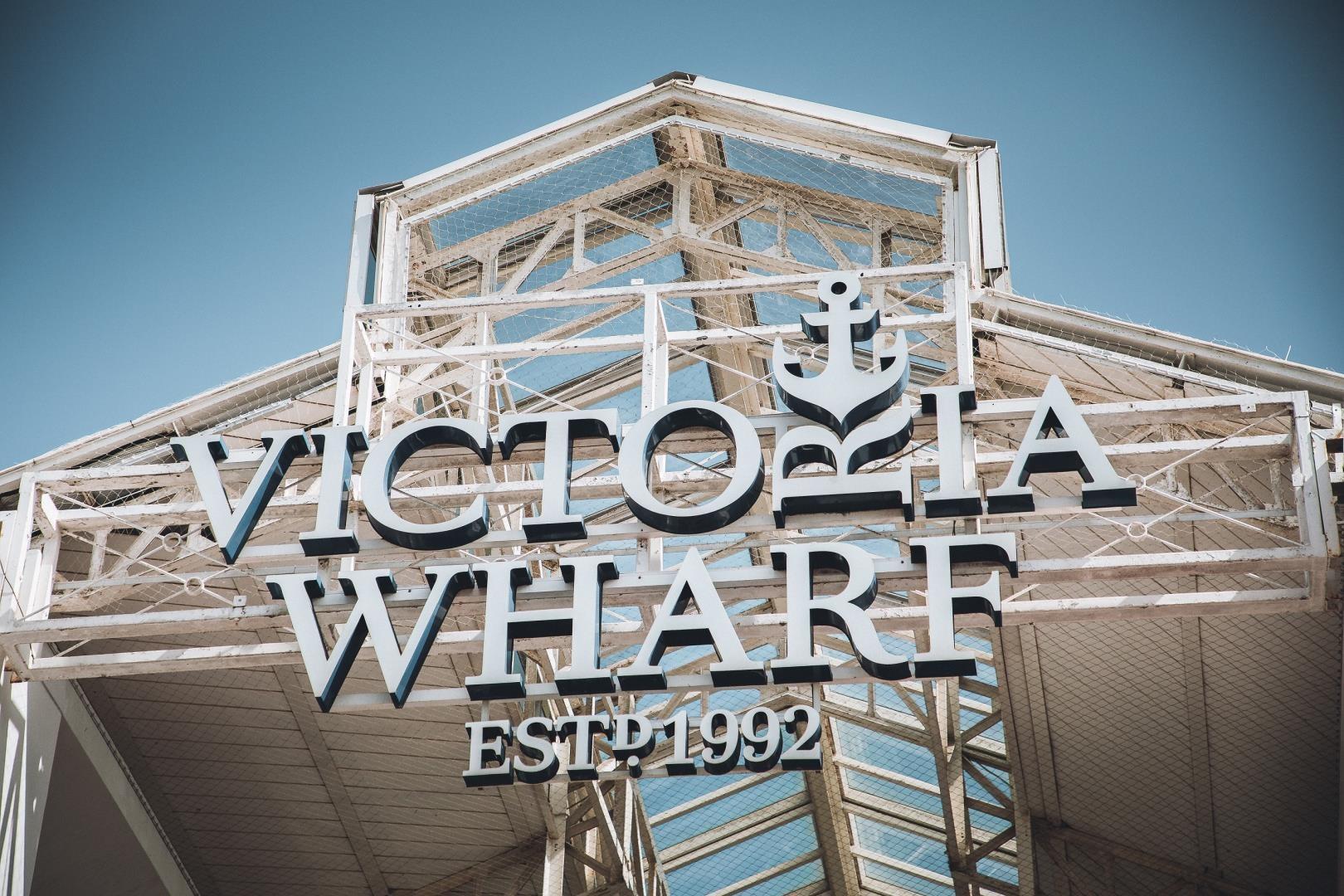
Cape Town is also a gateway to South Africa’s wine country. Nearby Stellenbosch, Franschhoek, and Paarl are renowned for their vineyards and estates, where visitors can enjoy tastings paired with local cuisine. Back in the city, the Victoria & Alfred Waterfront offers a lively hub of restaurants, shops, and cultural attractions, including the Zeitz Museum of Contemporary Art Africa, which highlights artists from across the continent.
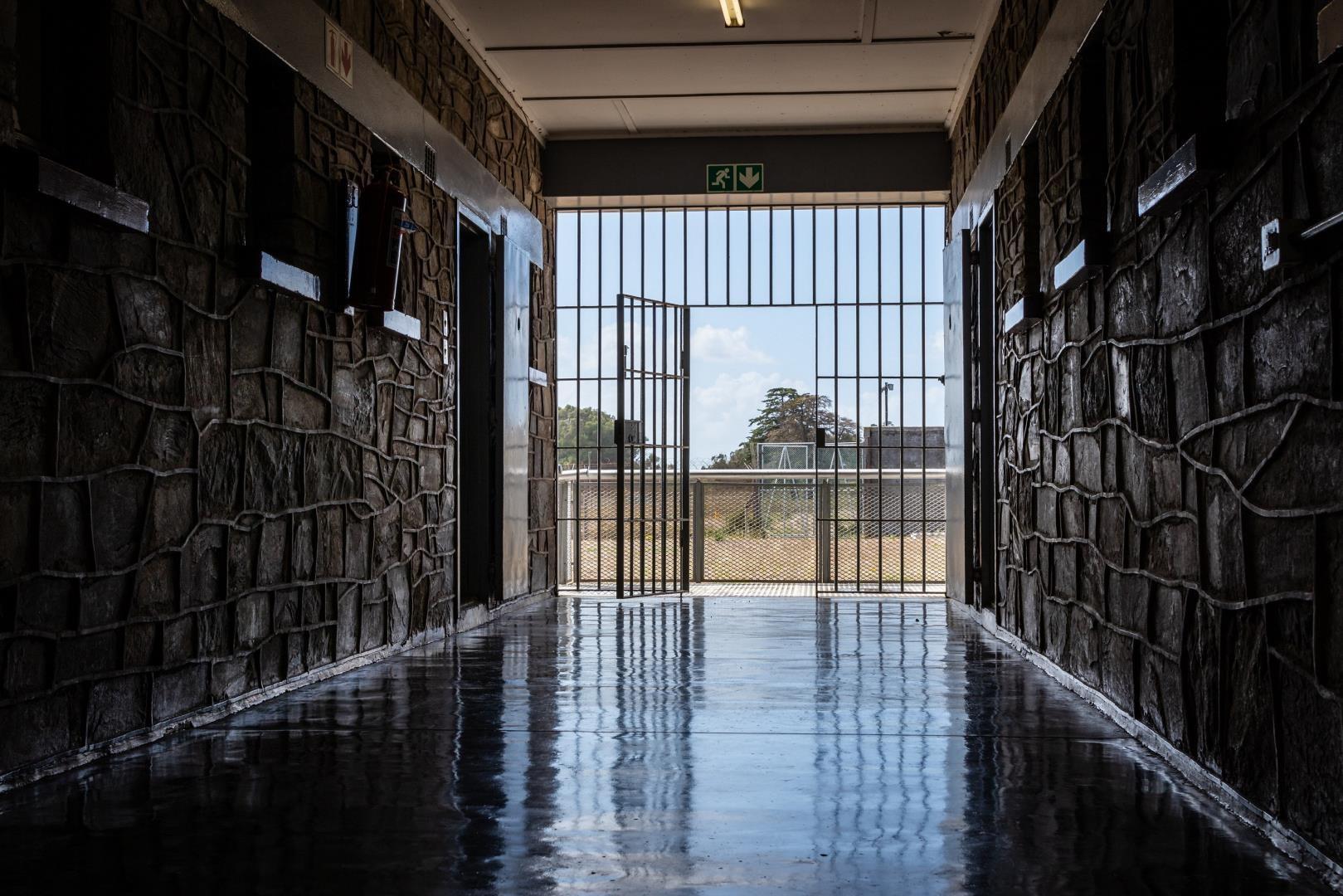
History runs deep in Cape Town. Robben Island, a short ferry ride from the harbor, was once a prison where Nelson Mandela and other political leaders were held. Today it stands as a UNESCO World Heritage Site and a moving reminder of South Africa’s journey toward democracy.
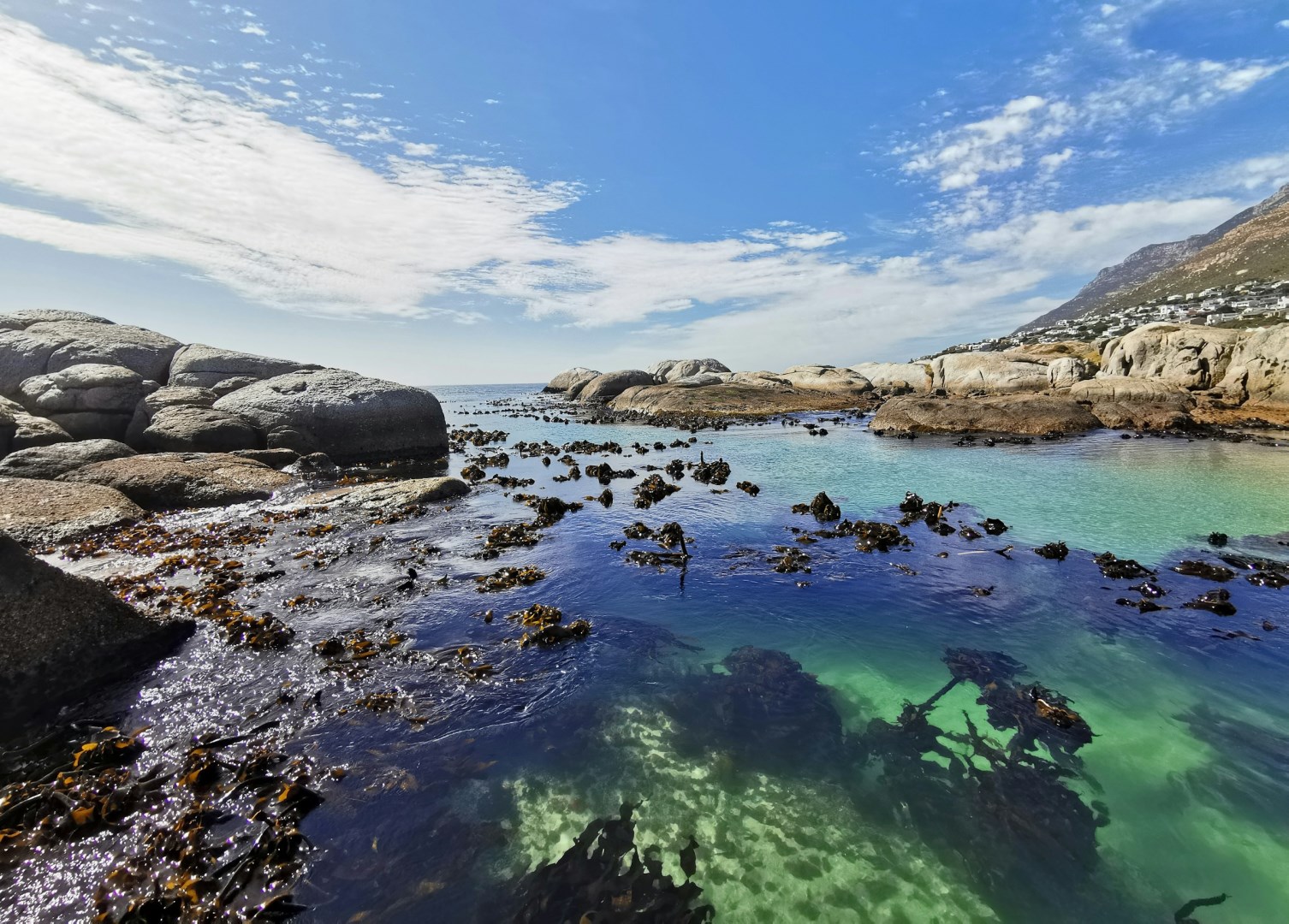
Boulders Beach lies along False Bay near Simon’s Town on the Cape Peninsula and is known for its sheltered coves, granite boulders, and resident colony of African penguins. The beach forms part of Table Mountain National Park and offers an unusual setting where a protected wildlife area meets a residential coastal community. Its calm, sheltered waters also make it a popular swimming spot, while the rocky shoreline creates small pools and bays that are easy to explore. The combination of beach, granite formations, and wildlife gives the site a distinctive character within Cape Town.
The African penguin colony is the main feature of Boulders Beach and one of the few land-based colonies of its kind that visitors can observe at close range. Raised boardwalks at the nearby Foxy Beach viewing area allow people to watch penguins moving between nesting areas and the shore without entering their habitat. The colony is protected as part of Table Mountain National Park’s Marine Protected Area, and visitors are asked not to touch or feed the birds. African penguins are classified as endangered, making responsible viewing an important part of visiting the site.
The landscape around Boulders includes several small beaches sheltered by large granite rocks, along with indigenous vegetation above the high-water mark and the waters of False Bay beyond. The main beach is suitable for swimming and picnicking, while the boardwalks provide designated viewpoints for observing the penguins. The area’s granite boulders are an especially notable geological feature, with some estimated to be about 540 million years old. A visitor centre provides information about the colony, while nearby Simon’s Town offers additional coastal sights, restaurants, and maritime attractions.
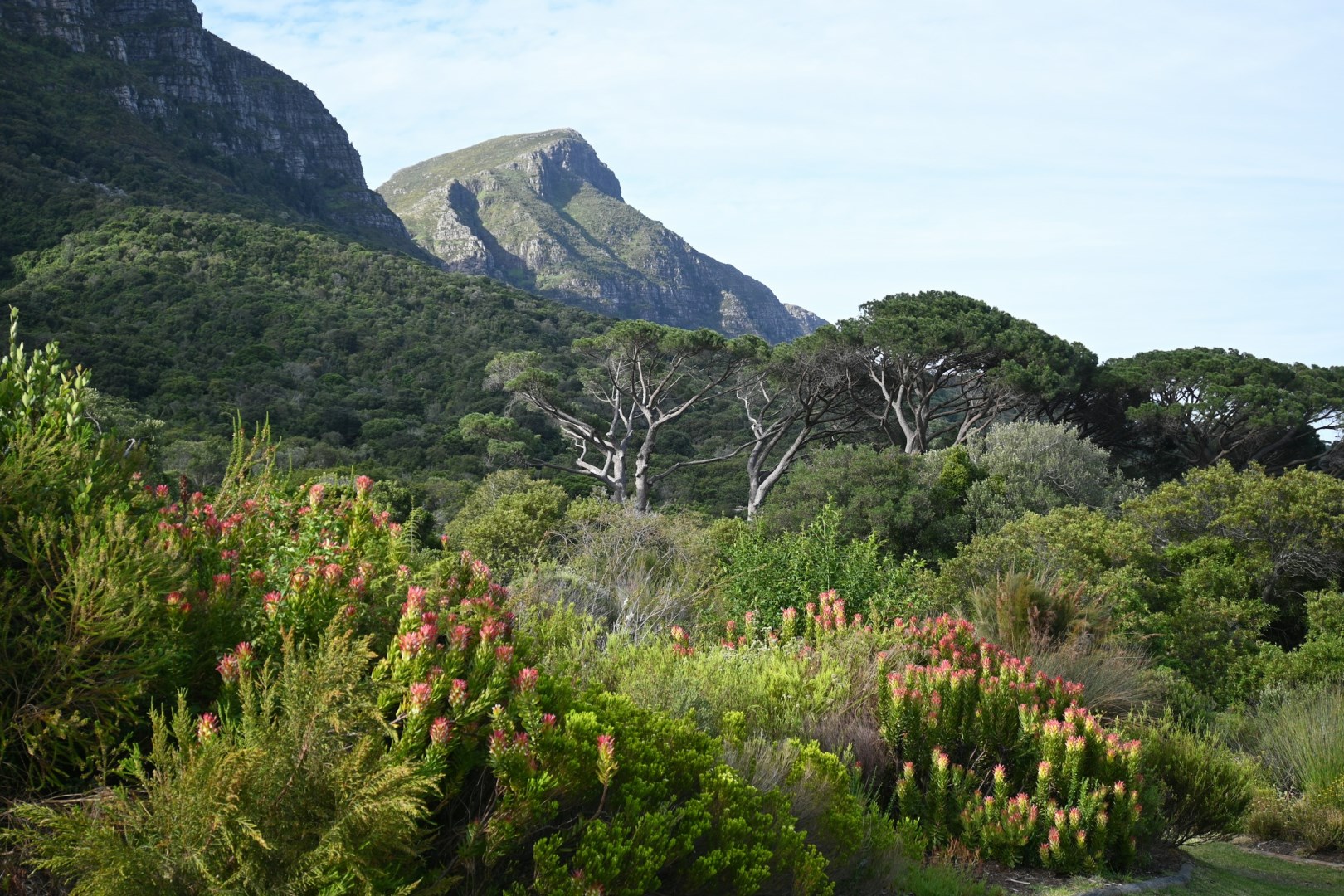
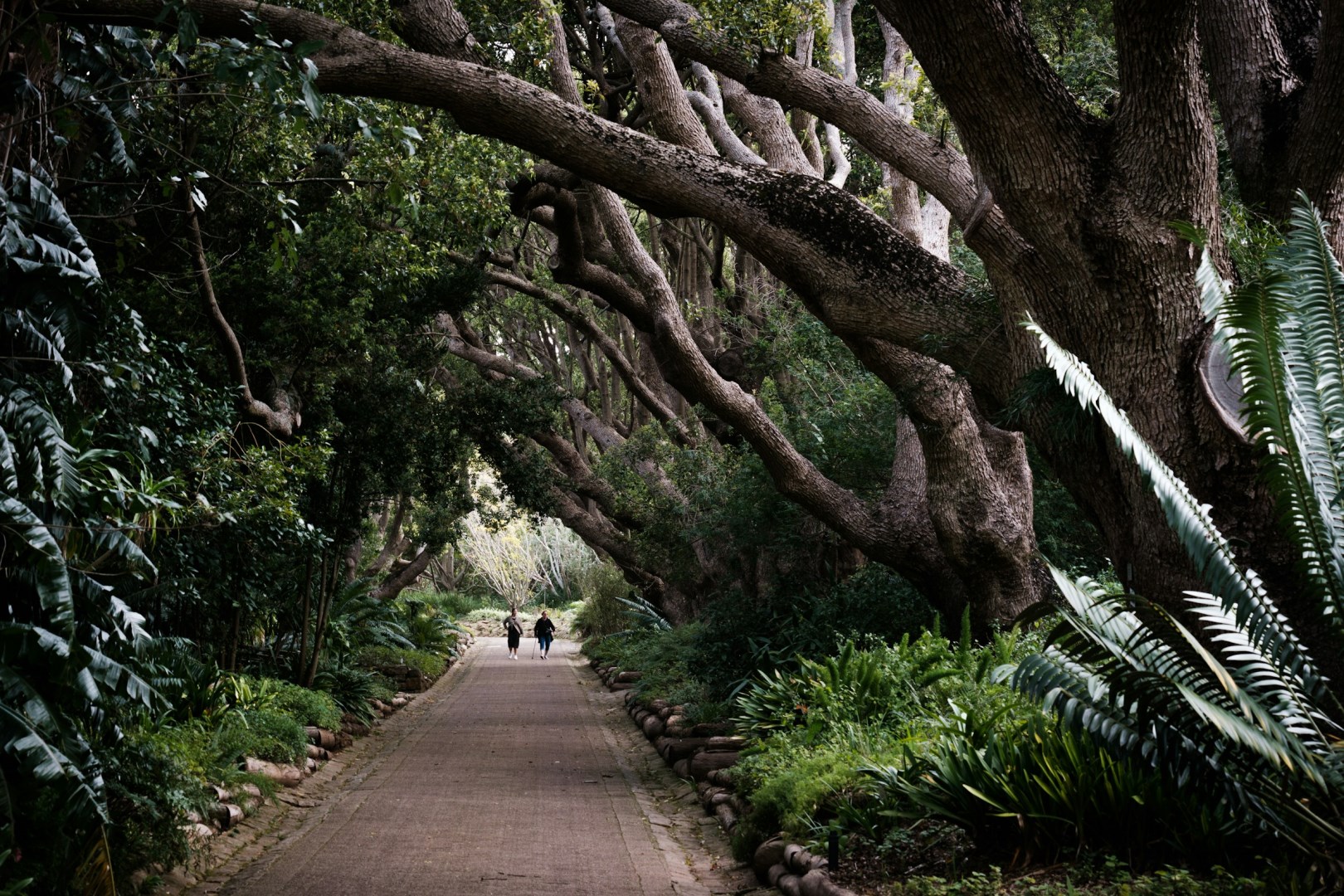
Kirstenbosch National Botanical Garden occupies the eastern slopes of Table Mountain in Cape Town and is dedicated to displaying and conserving South Africa’s indigenous flora. The estate includes cultivated gardens as well as a large natural area of fynbos and Afromontane forest, creating a transition between landscaped spaces and the mountain environment. Managed by the South African National Biodiversity Institute, Kirstenbosch also serves as a centre for botanical research, conservation, and education. Its setting within the Cape Floristic Region places the garden among an exceptionally diverse botanical landscape.
Kirstenbosch also reflects the cultural and botanical heritage of the Cape region. The land has long been associated with Indigenous communities, including the Khoikhoi, and its landscape contains traces of earlier human use. The botanical garden was established to conserve and display the country’s indigenous plants, with collections organized around South African vegetation and habitats. The garden includes areas such as the Dell, where shaded paths follow streams beneath indigenous trees, and the Arboretum, which contains more than 450 southern African tree species.
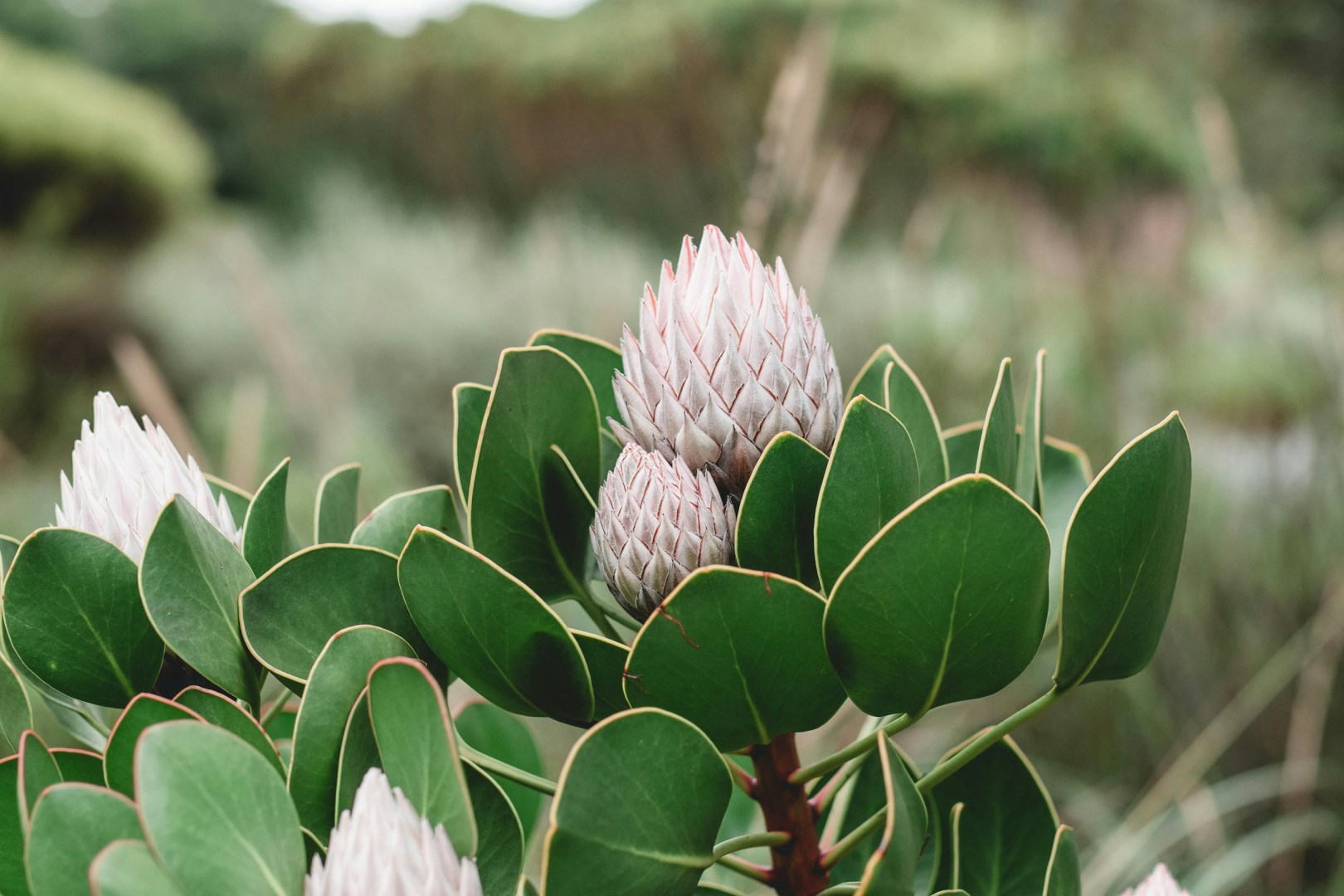
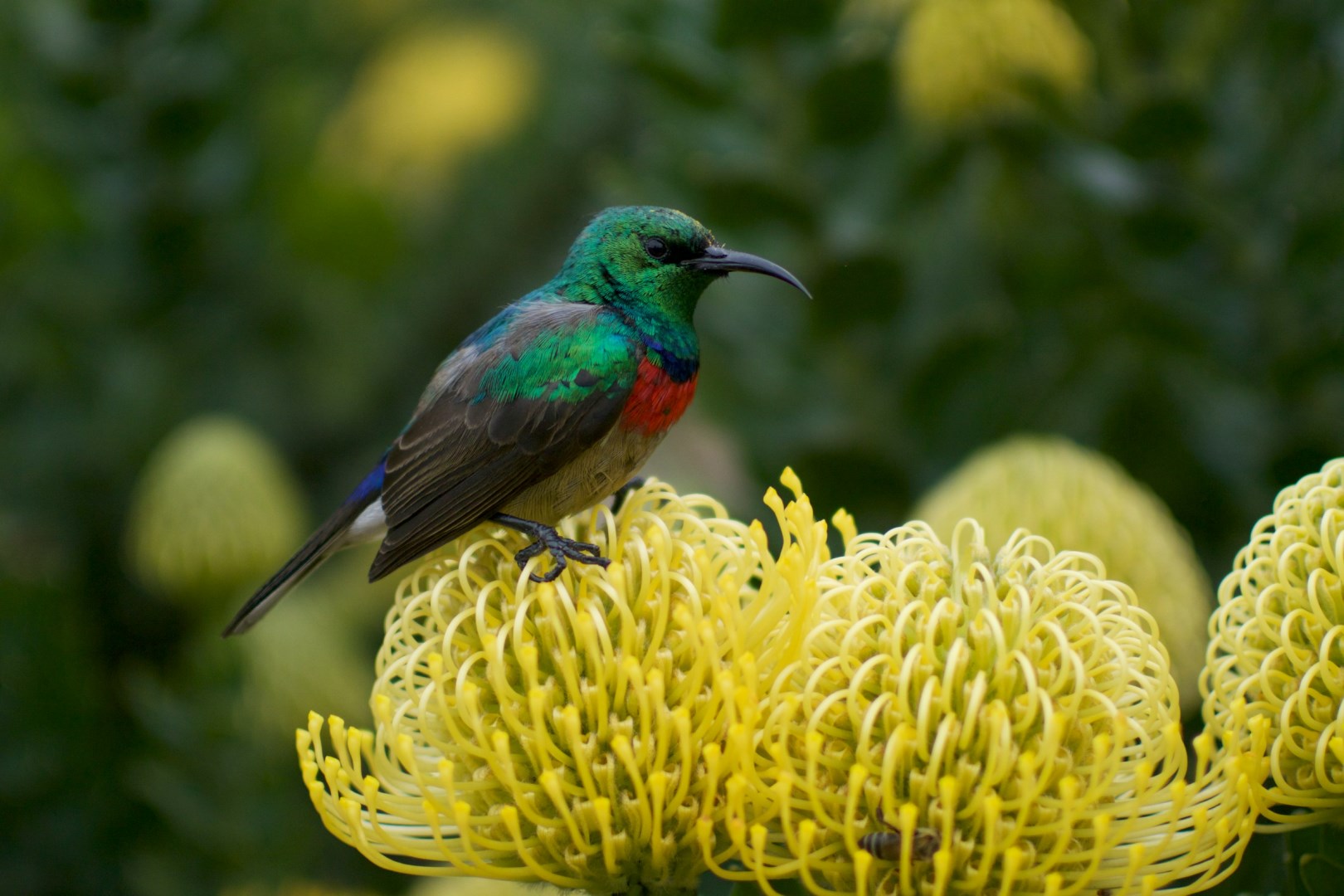
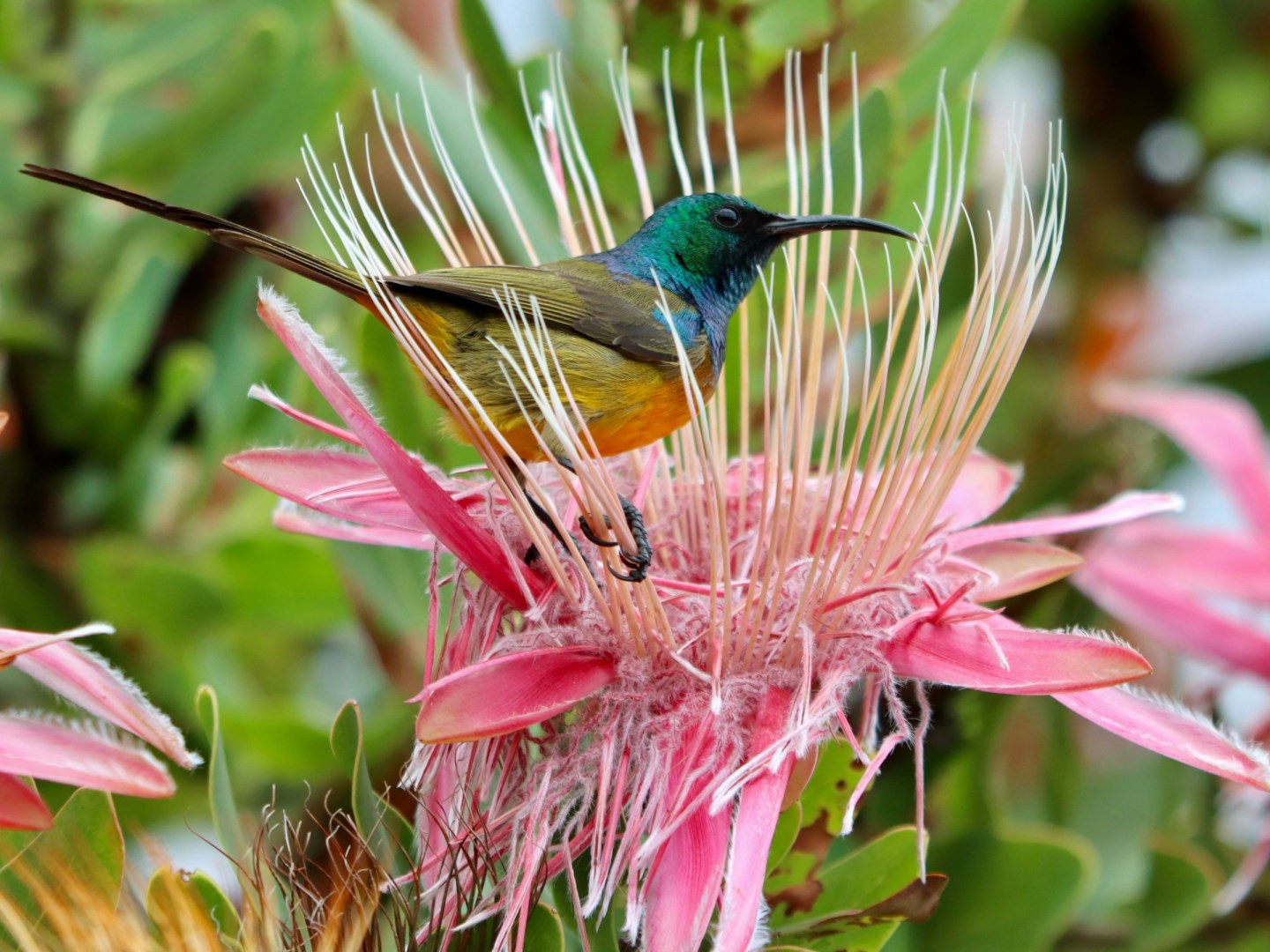
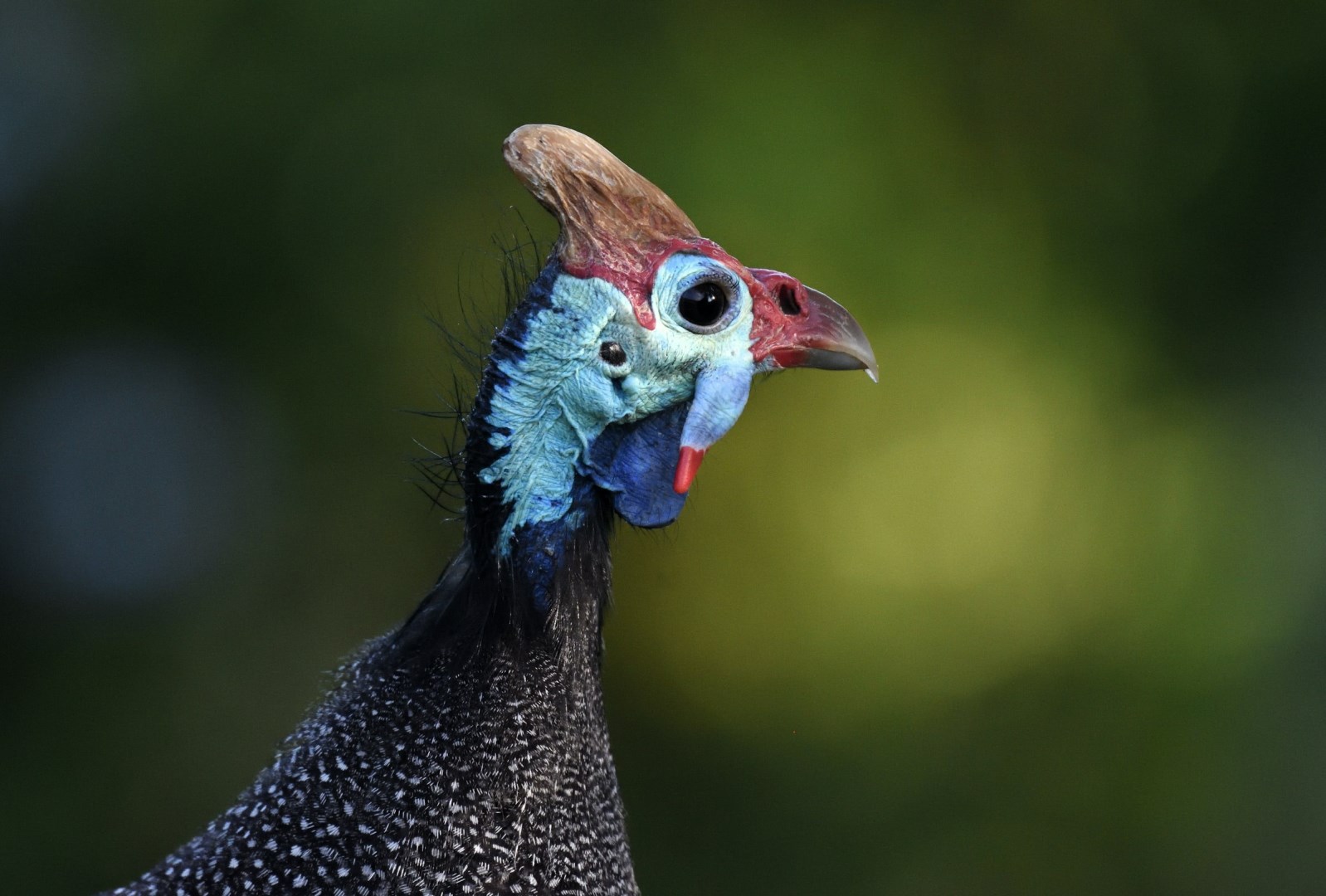
The garden’s landscape is closely connected to Table Mountain, with walking paths leading through fynbos, forest, and cultivated plant collections. The Boomslang, a raised steel-and-timber canopy walkway, passes through the Arboretum and provides views across the garden toward the surrounding mountain slopes. Plant highlights include king proteas, silver trees, cycads, ericas, restios, and red disas. Wildlife is also present, with numerous bird species, butterflies, reptiles, frogs, and smaller mammals inhabiting the garden and its natural areas.
Kirstenbosch provides several ways to experience South African plant life beyond conventional flower displays. The garden’s collections include plants adapted to the distinctive conditions of the Cape, particularly the fynbos vegetation for which the region is known. Visitors can follow marked trails, explore the indigenous plant collections, or spend time in the shaded Dell and Arboretum. The garden also has restaurants, picnic areas, an indigenous plant nursery, and a sculpture garden. Its combination of botanical collections, natural habitat, and mountain trails makes it an important part of Cape Town’s cultural and environmental landscape.
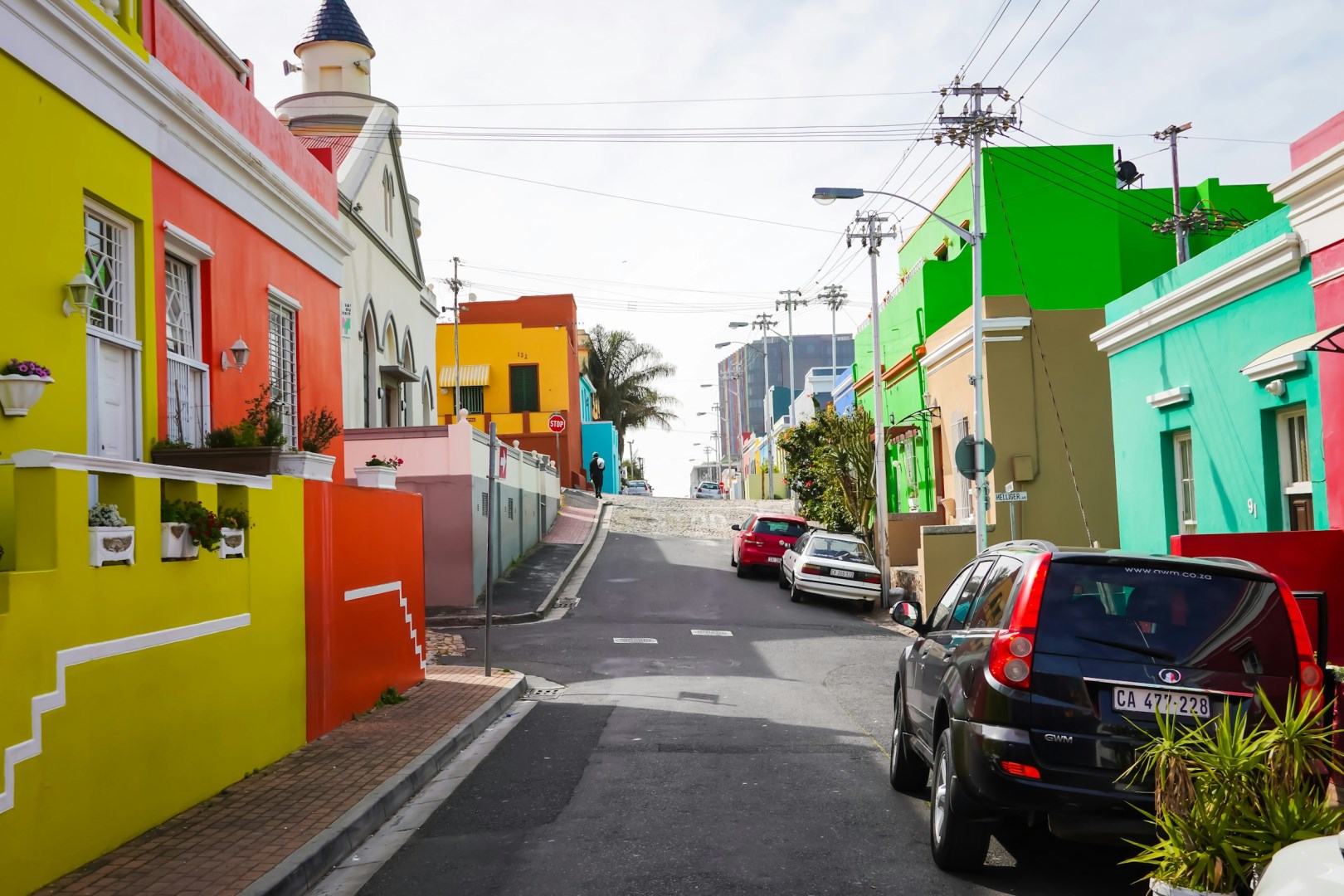
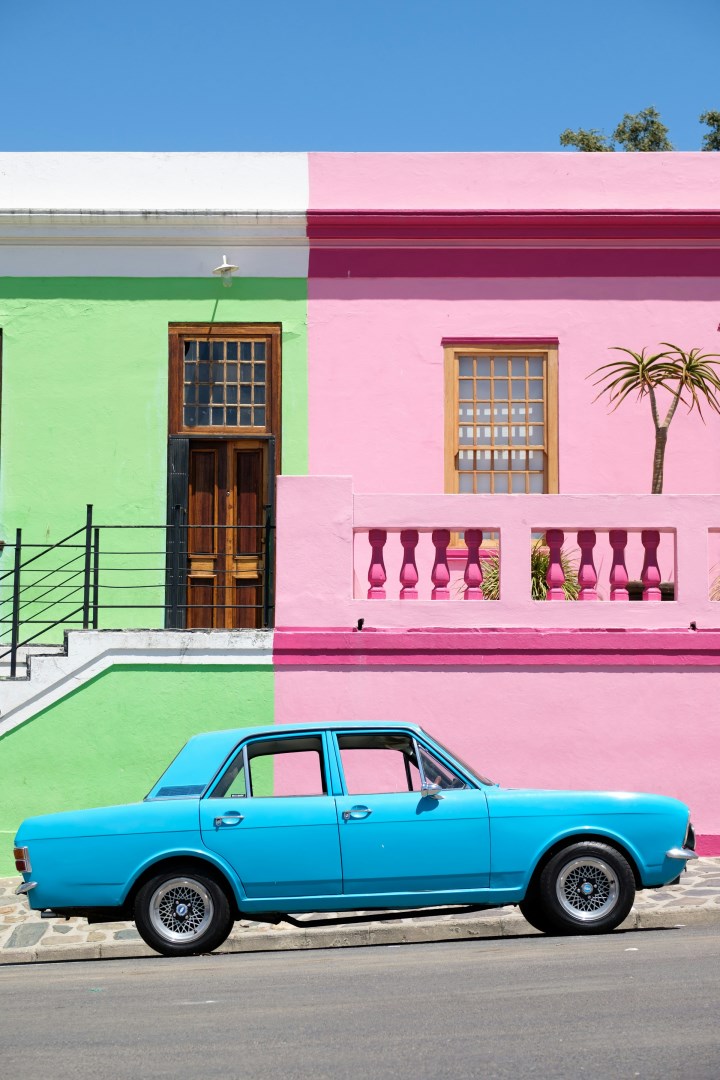
Bo-Kaap is a historic neighbourhood at the foot of Signal Hill, close to Cape Town’s city centre, known for its brightly painted flat-roofed houses, steep cobbled streets, and strong Cape Muslim identity. Its distinctive architecture includes Cape Dutch and Georgian influences, while the area’s community heritage reflects the experiences of people brought to the Cape from parts of Southeast Asia and Africa. The neighbourhood is closely associated with Cape Malay culture, and its streets provide a visible connection between Cape Town’s architectural heritage and the traditions of families who have lived in the area for generations.
The Bo-Kaap Museum occupies one of the neighbourhood’s oldest surviving houses and explores the social and religious heritage of the local Muslim community. Nearby, Auwal Mosque is an important landmark and is regarded as the first mosque established at the Cape. Religious life remains central to the area, with mosques, madrasas, and traditions associated with Ramadan and Eid forming part of community life. The neighbourhood also has a strong culinary identity, with Cape Malay cooking shaped by spices, family recipes, and traditions passed through generations.
Visitors can explore Wale Street and the surrounding lanes to see the rows of colourful homes, historic mosques, raised stoeps, and small courtyards characteristic of the neighbourhood. The Bo-Kaap’s location on the lower slopes of Signal Hill also gives some streets views toward the central city and Table Mountain. Local restaurants and cooking experiences provide opportunities to try dishes such as bredie, bobotie, samoosas, and pickled fish. The area is still a residential community, so exploring its streets also offers insight into contemporary life alongside its historic buildings.
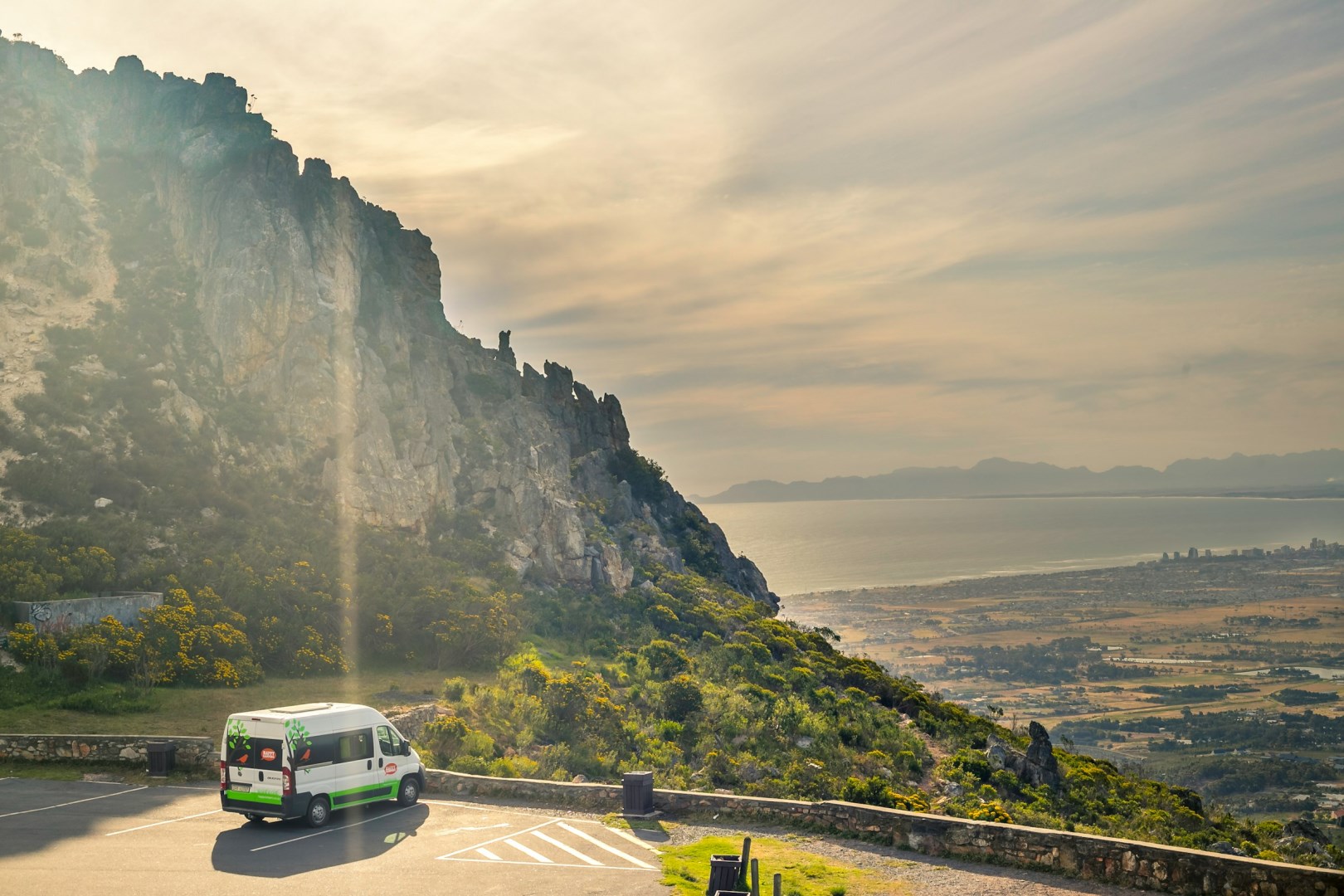
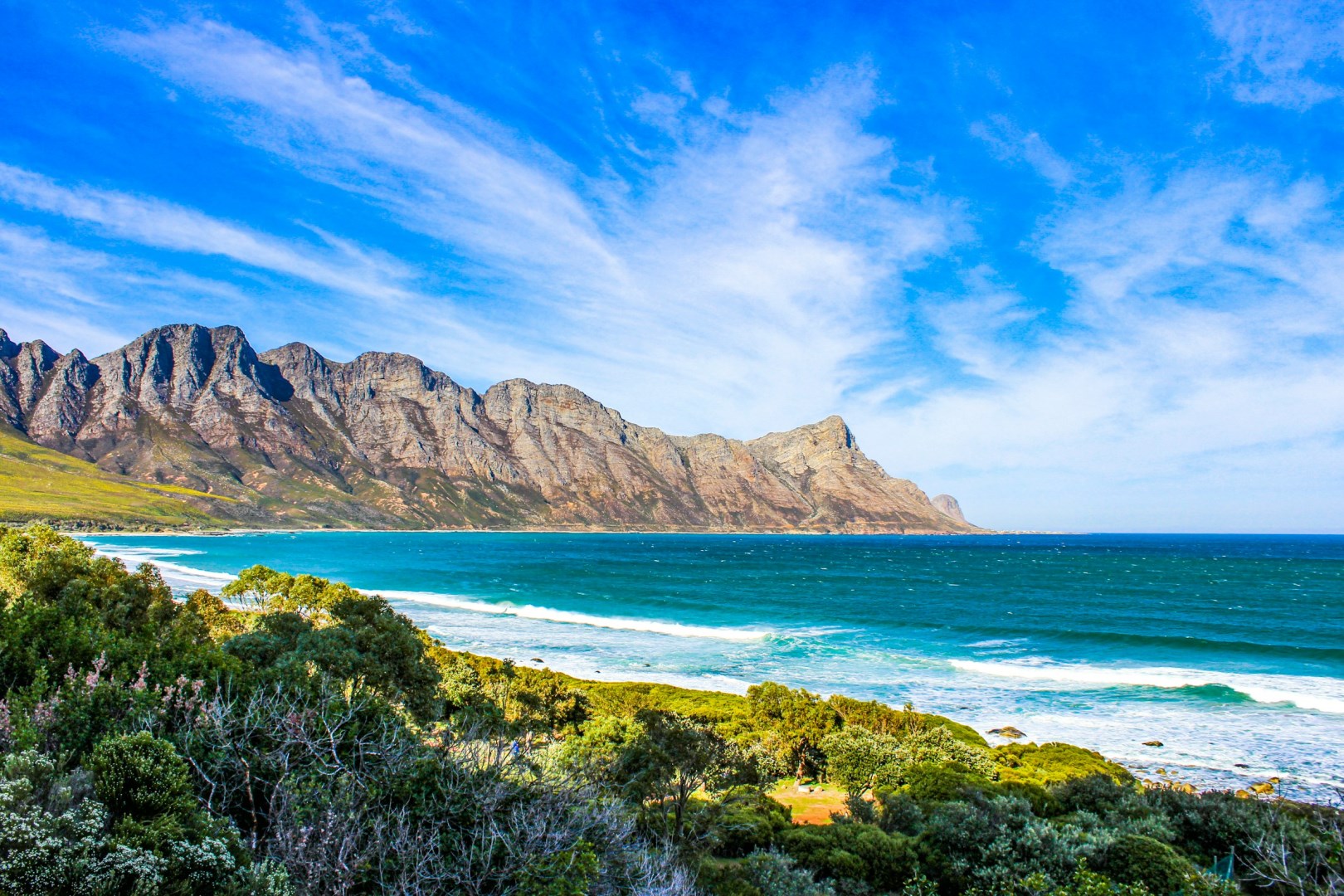
Sir Lowry’s Pass is a mountain route linking the Cape Town metropolitan area with the Overberg region, crossing the Hottentots Holland mountain range between Somerset West and Grabouw. The road climbs through rugged mountain terrain and provides broad views over the surrounding valleys and the coastal plain. Its position makes it an important gateway between Cape Town and communities farther east, while the surrounding mountains form part of the landscapes associated with the Cape Floristic Region. The pass is also a notable viewpoint for seeing the changing terrain between the Cape Peninsula and the Overberg.
The pass has a long association with travel between Cape Town and the interior, and its name commemorates Sir Galbraith Lowry Cole, who served as governor of the Cape Colony. The route is closely connected with the Hottentots Holland mountains, whose name reflects the area's colonial history and earlier Indigenous presence. The surrounding landscape is part of a region where fynbos vegetation dominates, and the mountains contain a wide range of plant species adapted to the area's Mediterranean climate and frequent fires.
Sir Lowry’s Pass is particularly known for its winding road, steep mountain slopes, and elevated viewpoints. From the higher sections, travelers can look across False Bay toward the Cape Peninsula on clear days, while the eastern side opens toward the agricultural landscapes around Grabouw and the Elgin Valley. The pass itself is primarily a scenic road route rather than a destination with a large collection of visitor facilities, but several viewpoints allow travelers to stop and take in the mountain scenery. Nearby Hottentots Holland Nature Reserve protects additional mountain landscapes and fynbos.
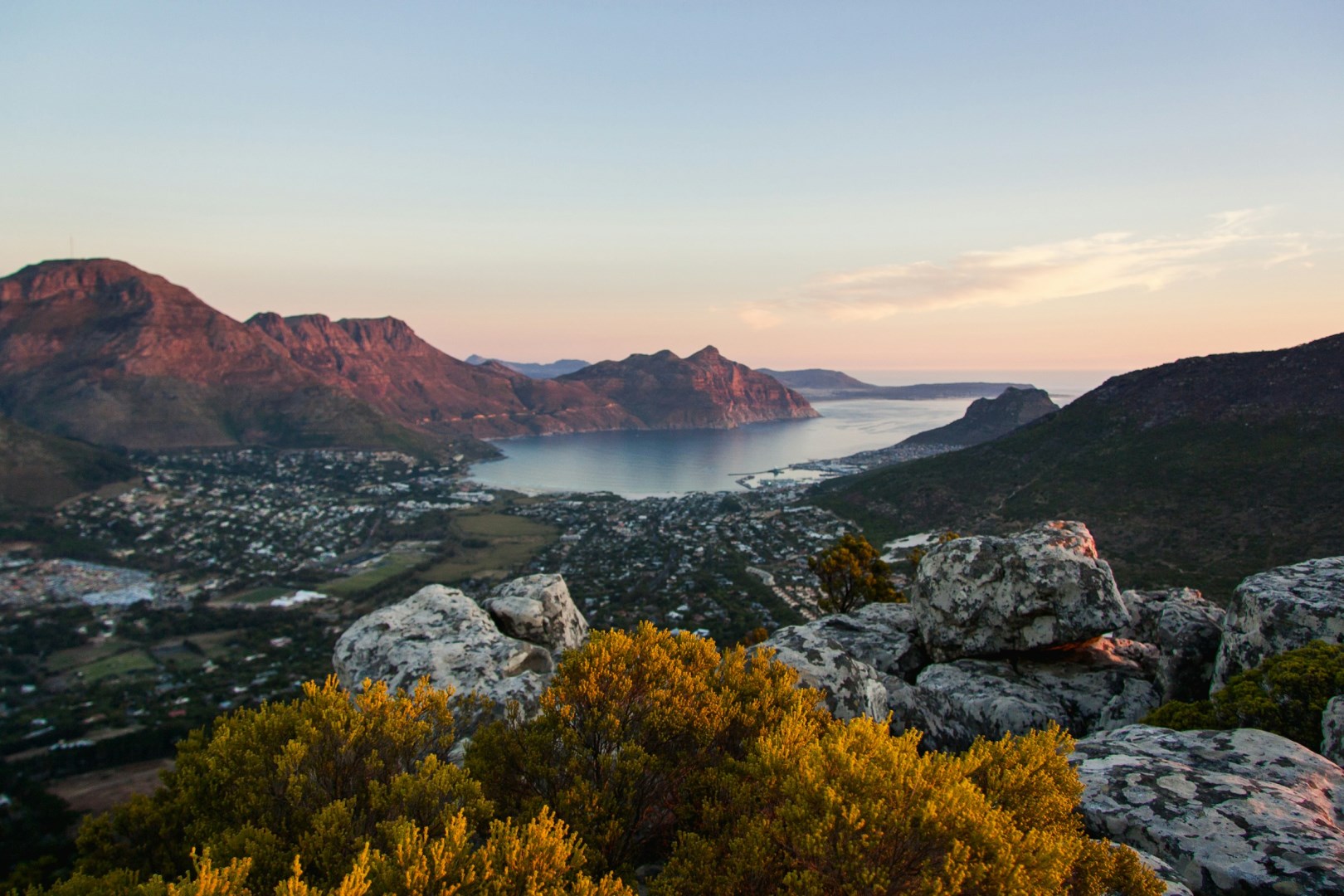
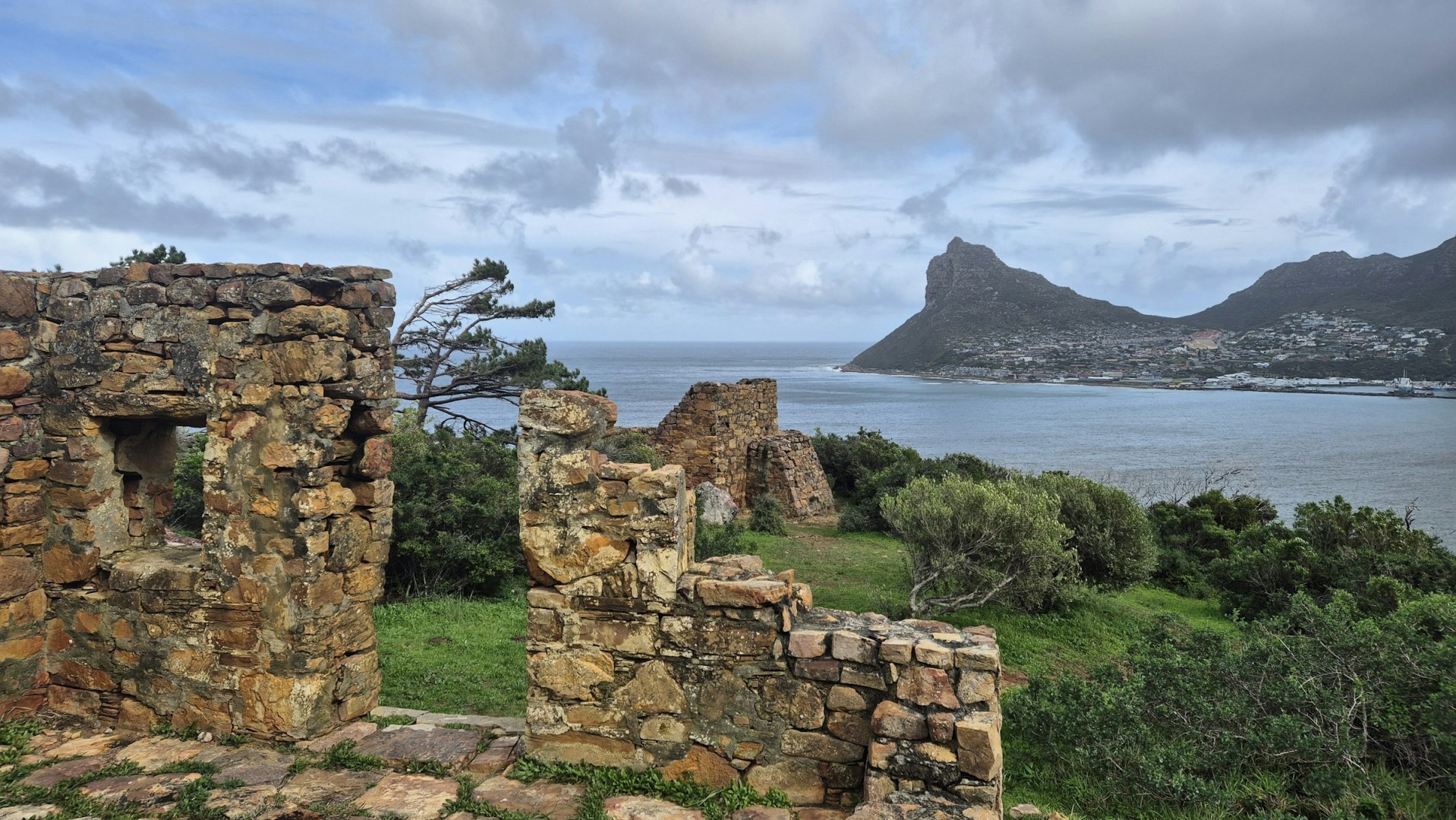
Hout Bay is a coastal suburb on the Atlantic side of the Cape Peninsula, enclosed by steep mountains and centered on a sheltered bay. The area has a strong fishing heritage, and its harbour remains an important part of local life, with fishing boats, seafood businesses, and vessels serving nearby attractions. Hout Bay is also known for its mix of residential neighbourhoods, working harbour, craft markets, and beaches. Its position between the mountains and the ocean makes it a useful base for exploring the western side of the Cape Peninsula.
Hout Bay’s name reflects its history as a place where timber was harvested from the surrounding forests, while the bay later developed as a fishing centre. The community has long included people from different cultural backgrounds, and the harbour remains closely connected with Cape Town’s fishing traditions. The Hout Bay Museum documents the area’s natural and social history, including local fishing and forestry. Nearby Imizamo Yethu is a significant residential community, adding another dimension to the cultural landscape of the suburb.
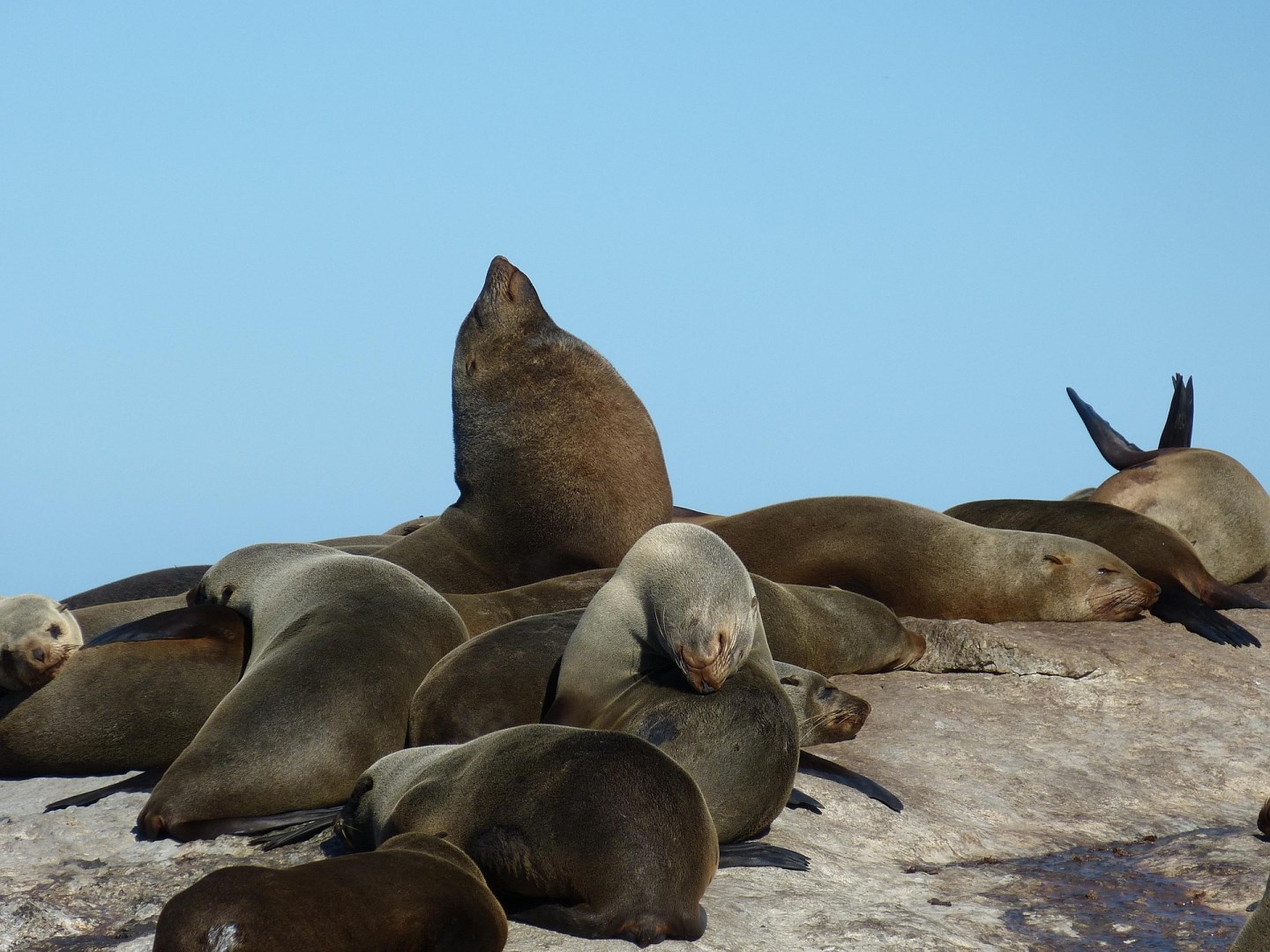
The surrounding scenery includes the mountains of the Table Mountain range, with Chapman’s Peak rising to the south of the bay. Hout Bay Beach stretches along the sheltered shoreline and is backed by the harbour and mountains. From the harbour, boats travel toward Duiker Island, where Cape fur seals gather on the rocky shore. The Chapman’s Peak Drive begins nearby and follows the cliffs above the Atlantic, while hiking routes on the surrounding mountains provide views across the bay and peninsula.
Food is closely linked to Hout Bay’s maritime character, particularly fresh fish and seafood sold around the harbour. The Hout Bay Harbour Market combines food stalls, local crafts, and small businesses in a former industrial space, while the harbour itself remains a place to see working fishing vessels alongside visitor boats. The area's proximity to Chapman’s Peak, beaches, and mountain trails makes it one of the Cape Peninsula’s better-known coastal communities without separating its visitor attractions from its longstanding fishing identity.
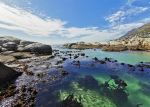
Dappat Se Gat is a secluded coastal swimming spot on the Cape Peninsula, known for its rocky shoreline, sheltered pools, and clear seawater. The name, commonly written as “Dappat Se Gat,” refers to a natural opening or pool among the rocks and is associated with the area near the southern end of the Cape Peninsula. Unlike Cape Town’s larger urban beaches, the site has a more rugged setting, with granite rocks and low coastal vegetation surrounding the water. Its relatively hidden location gives it a quieter character and makes it a distinctive stop for exploring the peninsula’s shoreline.
The surrounding coast forms part of the broader Table Mountain National Park landscape, where rocky headlands, fynbos vegetation, and the Atlantic Ocean meet. Dappat Se Gat is especially associated with traditional local knowledge of coastal swimming and fishing spots, and the area has a reputation among residents familiar with the peninsula for its natural rock pools. Conditions can change quickly along this exposed coastline, so the location is best approached with care, particularly when waves and swell are strong.
The attraction is primarily the setting itself rather than built facilities. Access involves reaching the rocky shoreline and navigating uneven terrain, after which visitors can find pools and sheltered sections suitable for swimming when sea conditions are calm. The surrounding cliffs and headlands provide views along the peninsula, while the area's fynbos vegetation supports a range of plants adapted to the Cape's coastal environment. Its rugged character contrasts with more developed beaches elsewhere in Cape Town.

Hinsdale Travel - Woodridge, IL - (630) 325-1335 -
Copyright 2019. All Rights Reserved.

