


HINSDALE TRAVEL SERVICE
Call: (630) 325-1335 or Email:
Call: (630) 325-1335 or Email:
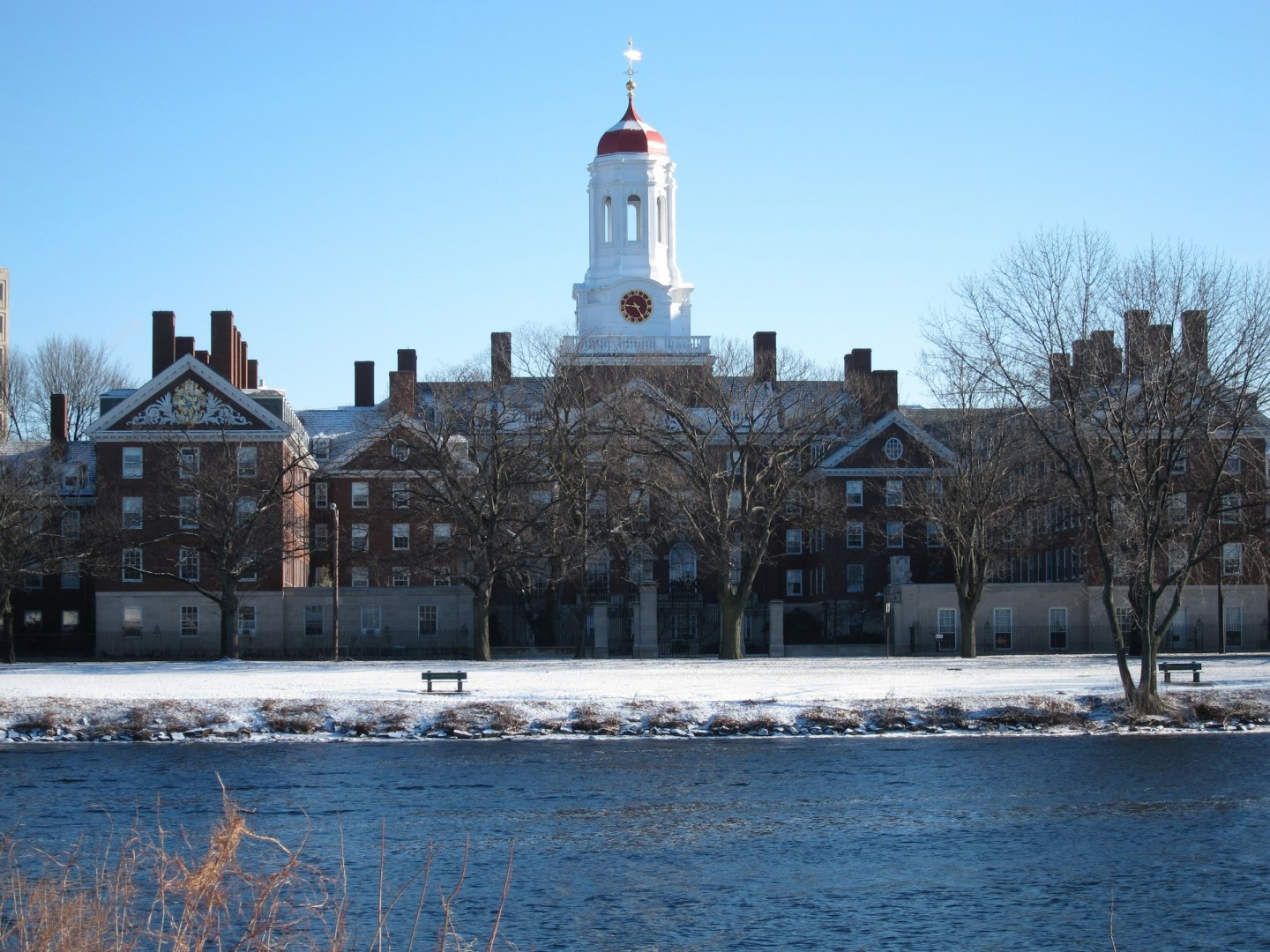
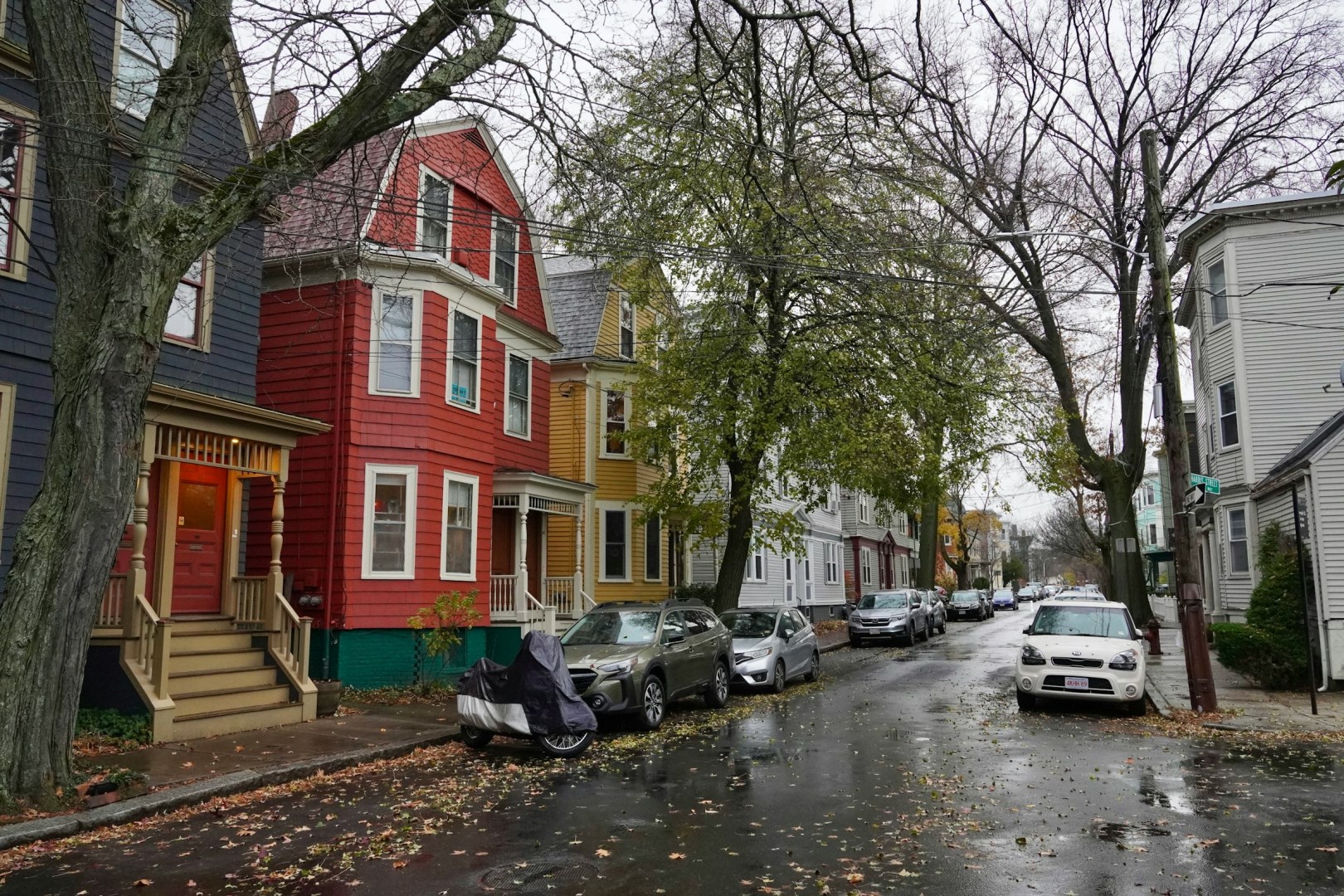
Cambridge, Massachusetts, sits across the Charles River from Boston and is known for its universities, historic neighborhoods, research institutions, and distinctive network of public squares. Harvard University and the Massachusetts Institute of Technology give the city an international academic profile, while areas such as Harvard Square, Central Square, Kendall Square, and Inman Square each have their own mix of shops, restaurants, cultural venues, and businesses. Despite its compact size, Cambridge contains residential streets, riverfront parks, historic buildings, and major centers of technology and biotechnology, making it more varied than its reputation as a university city suggests.
Cambridge has a long and complex history that extends beyond its universities. The city developed from several separate communities, including Old Cambridge, Cambridgeport, and East Cambridge, which eventually became one municipality. During the American Revolution, George Washington used the Vassall-Craigie-Longfellow House as his headquarters. The city also became home to immigrant communities from Ireland, Italy, Portugal, Poland, Haiti, and other places, contributing to its diverse identity. Today, historic preservation remains an important part of local life, with the Cambridge Historical Commission protecting notable buildings and districts while community projects document African American, immigrant, and women's history.
Harvard Square provides access to Harvard Yard, historic university buildings, bookstores, museums, and the surrounding Old Cambridge Historic District. The Longfellow House–Washington’s Headquarters National Historic Site preserves the home where George Washington lived during the Revolutionary War and later served as the residence of poet Henry Wadsworth Longfellow. Along the Charles River, the Cambridge Esplanade and river reservation offer walking paths, boating, cycling, and views toward Boston. In East Cambridge, Kendall Square reflects the city’s modern research economy, while Mount Auburn Cemetery provides landscaped grounds, historic monuments, and extensive bird habitat.
Cambridge’s food scene reflects its international population and large student community, with restaurants representing cuisines from across Asia, the Middle East, Europe, Latin America, and beyond. Central Square and Inman Square are particularly associated with independent restaurants, bakeries, cafés, and bars, while Harvard Square has long supported bookstores and casual dining alongside university life. The city also has an important connection to American intellectual history: writers, scientists, educators, and political figures have lived or worked here across generations. A distinctive modern detail is Kendall Square’s concentration of biotechnology and technology companies, earning it a reputation as one of the world’s significant research and innovation districts.




Hinsdale Travel - Woodridge, IL - (630) 325-1335 -
Copyright 2019. All Rights Reserved.

